

Pigmentation Treatment in Broome
Sun spots, uneven tone and melasma, properly assessed before anything is treated.
The Code to Pigmentation
When pigmentation patches show up, it can feel like nothing can be done. But we want you to know your skin is never a lost cause—there are effective treatment options that can fade your pigmentation woes.
Well, we think there are plenty of reasons why you should, and we’ve got treatment and skincare solutions that make banishing your pigmentation a reality.
Pigmentation can be frustrating, whether caused by sun exposure or melasma due to hormonal changes. It can leave you with an uneven complexion and a look that lacks radiance.
What causes pigmentation?
Sun damage and melasma are two common culprits behind changes in pigment. Let’s take a look at both.
Sun Damage causes:
We all love a bit of sunshine, but too much can take a toll on your skin. So, let's look at what happens when the sun's harmful UV rays leave their mark.
UV Exposure: The primary cause of sun damage, where UV rays penetrate the skin and alter its structure, leads to various types of cellular dysfunction.
Hyperpigmentation: Sometimes, your skin goes into overdrive, producing melanin (the pigment in your skin), leading to patches that are darker than the rest around them.
Premature Ageing: Yes, the sun can fast-forward the ageing process. It breaks down collagen and elastin—those proteins that keep your skin looking firm and youthful—resulting in wrinkles, fine lines, sagging, and even a bit of redness.
Melasma causes:
Often linked to hormonal changes, melasma presents as symmetrical, blotchy patches primarily on the face, exacerbated by sun exposure.
Hormonal Fluctuations: If you have melasma, you might notice it flares up with hormonal changes. It's like your skin is just as sensitive to mood swings as you are!
Pregnancy: The hormonal changes during pregnancy can often trigger melasma, commonly known as the "mask of pregnancy."
Oral Contraceptives & Hormone Replacement Medication: Just like pregnancy, these can sometimes trigger melasma because they adjust your hormone levels.
Sun Exposure: Yep, the sun plays a big role, too. While not the direct cause, even the sun's heat can make melasma darker and more noticeable.
Spotting the Signs of Pigmentation
Do you notice any of these changes in your skin?
Sunspots (Solar Lentigines): These are those flat, brown spots that pop up on places that see a lot of sun, like your face, hands, and shoulders.
Freckles: Those tiny, cute brown spots get bolder and darker every time you soak up the sun.
Hyperpigmentation: Look for patches of skin that are darker than your surrounding skin, which can result from excess melanin production.
Melasma: Symmetrical, blotchy, darkened areas, often due to hormonal shifts.
Blotchy, Red, Uneven Texture: Areas of redness and uneven skin texture can signal underlying sun damage, often resulting from inflammatory responses to UV exposure.
If these visible signs sound all too familiar, don't worry—we've got the perfect treatments to help crack The Code to Pigmentation for a radiant new you!
The Code to Pigmentation Facial Treatments
Treatments for Sun Damage:
Our experienced dermal therapists are dedicated to helping you achieve a more even, radiant complexion.
For the specific needs of sun-induced pigment, we've selected three of the most effective and safe treatments for banishing and diminishing the visible signs of sun damage.
Aerolase: Unlike other laser treatments, Aerolase deeply targets pigmented lesions that will fade as your skin becomes evenly toned, brighter, and more radiant.
Hydrafacial Deluxe: You'll love this hydrating facial, which brightens and evens out your skin tone. Once we’ve restored your glow, maintaining it with a treatment every four weeks will be just what your skin needs.
LED Light Therapy: This gentle red light therapy assists in improving the appearance of visible pigmentation for a renewed, balanced, and even complexion.
Treatments for Melasma:
For Melasma, we’ve selected a series of specialised treatments that focus on gentle yet effective therapies that will carefully banish your melasma.
Aerolase: If you’re ready to embrace brighter skin, and let’s be honest, who isn’t? With a series of four or more laser treatments targeting pigmented lesions and excess melanin production will do the trick. Once we’ve cleared out that pesky pigment, maintain your results with a session every 6-9 months.
Clinical Peels: Think of peels as your skin’s reset button. These treatments help resurface the skin, reduce pigmentation, and restore radiance. For a radiant glow-up, we suggest a peel every four weeks.
Hydrafacial Deluxe: More than just a facial, it's a revitalising treatment that deeply exfoliates, hydrates, and infuses your skin with antioxidants. We’ll boost your skin’s resilience and even out skin tone. Monthly treatments will maintain your skin's newfound healthy glow.
While sun damage and melasma might seem the same, they have different root causes and require slightly different treatment approaches.
But here’s the good news—we know pigment, and we’re here to help! With the right treatments and skin care, we can manage your pigmentation issues safely and effectively.
Book a consultation with our medical aesthetic team to discuss treatment options to help you banish dark spots, pigmentation and sun damage.

Explore The Code to Pigmentation Treatments
So, how do we tackle the challenges of pigmentation? Well, we like to take a multi-treatment approach and tailor a plan of attack to fit your unique skin needs.
We start with a personalised treatment plan created by our dermal therapists to target your specific concerns, ensuring you see the best results.
Once you get started, we'll guide you through your skincare journey, providing expert advice, ongoing support, and care to help you feel comfortable and at ease as your skin is smoothly transformed.
Let’s do this together and combat the visible signs of pigmentation and reveal your skin's true radiance with The Code to Pigmentation.
Explore our treatment solutions, and you’ll discover how to take the first step towards a clear, bright and even complexion and take control of your skin's future.
Treatments for Pigmentation
- Aerolase: Transform Your Skin with Advanced Laser Technology
- Hydrafacial: Renew, refresh and reveal your skin's radiant glow
- LED Light Therapy: Discover the Radiant Power of LED Light Therapy
- Clinical Peels: Reveal a new you with clinical peels
The Code to Pigmentation: Skincare Solutions
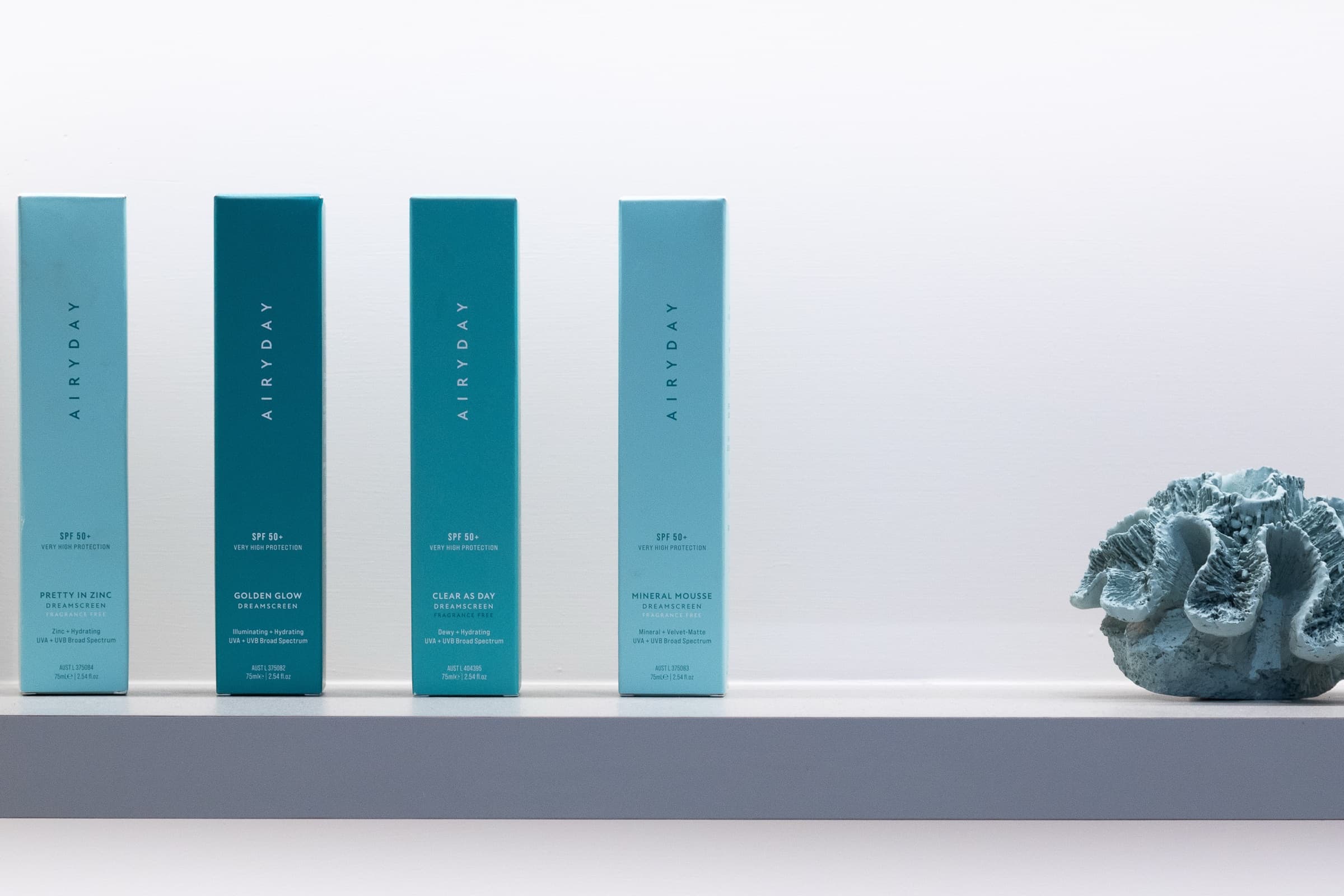
Incorporating cosmeceutical skincare is an essential part of achieving and maintaining optimal results for pigmentation concerns.
We’re big fans of Synergie and Cosmedix skincare because they’re specifically formulated to tackle pigmentation issues, boost the results of in-clinic treatments, and support your skin’s long-term health and glow.
After your initial consultation, we’ll tailor a skincare routine just for you, designed to minimise pigmentation and even out your skin tone.
This routine will not only improve your skin’s overall radiance but also protect it from free radicals and harsh environmental elements, giving you a well-rounded defence against the elements.
Ready to banish pigment and transform your skin with The Code to Pigmentation?
That’s exactly what the assessment is for.
You don’t need to have all the answers before you arrive.

Pigmentation
Good advice first.Treatment second.
That’s what the assessment is for.
What causes pigmentation?
Sun exposure and melasma are two common causes.
UV exposure can lead to sunspots, freckles that darken and patches that are darker than the skin around them. Melasma is often linked to hormonal changes, such as pregnancy or some hormone medications, and the sun can make it more noticeable.
Different kinds of pigmentation can look alike, which is why we assess your skin before recommending anything.
Why do I need an assessment before pigmentation treatment?
Because not all pigmentation is the same, and the right approach depends on what’s causing it and on your skin.
At your skin assessment, we’ll look closely at the pigmentation, ask about your time in the sun, your health and your current products, and talk through the options that may suit you, including their risks, aftercare and costs.
Sometimes the most useful first step is a change to your daily routine rather than a treatment.
Does sun protection matter if I have pigmentation?
Very much so.
UV exposure is a common cause of pigmentation and can make melasma more noticeable, so protecting your skin every day is part of any plan we make together.
In Broome, that means a broad-spectrum sunscreen every day, reapplied through the day, plus a hat, sunglasses and shade where you can.
Do I really need sunscreen every day?
In Broome, we’d say yes.
UV levels across northern Australia sit high enough for sun protection all year round, including on cloudy days. And the damage doesn’t only come from sunburn. It builds up quietly from everyday exposure over time.
The easiest approach is to make it part of your morning, like brushing your teeth. A broad-spectrum, water-resistant SPF30 or higher, applied before you head out the door.
Sunscreen works best alongside a hat, sunglasses, shade and protective clothing, not instead of them.