
FAQS
Questions, answered.
Dentistry can come with a lot of questions. Some are straightforward. Some feel a little awkward to ask. And some start with, “This might be a silly question, but…”
Ask anyway.
We’d much rather you understand your options, costs and what happens next than sit at home wondering.
 DentalGeneral care, emergencies, technology, whitening and more.
 KidsFirst visits, family bookings and Dr Croc.
 OrthodonticsBraces, Invisalign® and early intervention.
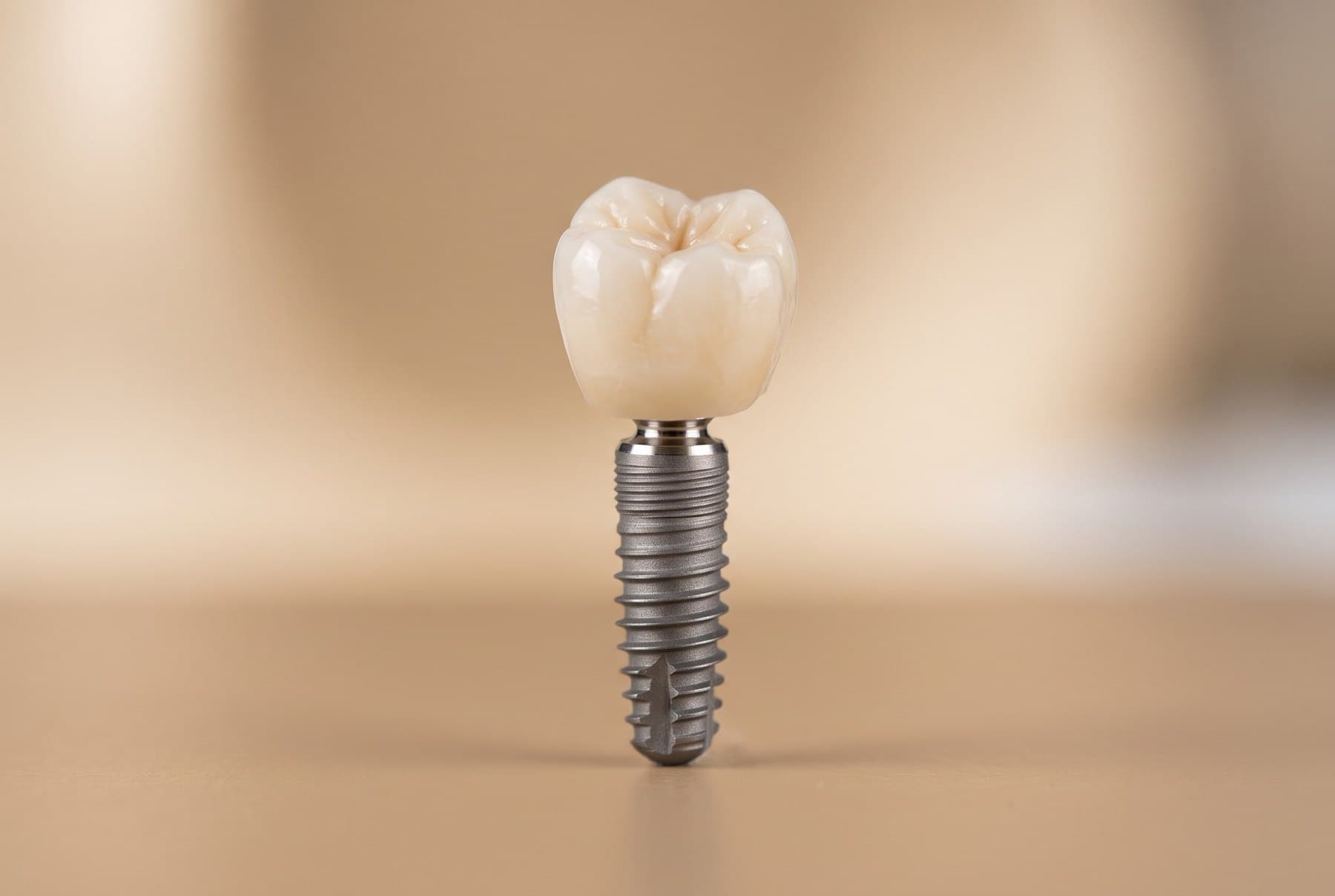 ImplantsReplacing one tooth or a whole smile.
 SkinAssessments, treatments and what to expect.
 Costs & PaymentsHealth funds, payment plans, CDBS, trusts and more.
DENTAL
Whatever your teeth are up to.
Routine questions. Nervous questions. Haven’t-been-in-years questions. We’ve heard most of them before.
And if we haven’t? Even better. Ask us.
Do I need to know what dental treatment I need before I book?
No. That’s our job.
Tell us what’s bothering you, what you’ve noticed, or simply that you’re due for a check-up. We’ll take a look, explain what we find and talk through your options.
It’s been years since my last dental visit. Is that a problem?
Not at all.
Six months, six years or sixteen years, you don’t need to arrive with an apology.
We’ll start with where things are now, explain what we find and make a plan from there.
No lectures. No judgement.
If I had a hole in my tooth, wouldn’t I be able to feel it?
Not necessarily.
Tooth decay can develop without causing pain, particularly in its earlier stages. You can have a cavity and have no idea it’s there.
As decay progresses through the enamel and into the dentine, it gets closer to the pulp, or “nerve”, inside the tooth. Once you begin experiencing toothache or significant sensitivity, the decay may be more advanced and the nerve may already be affected.
At that point, treatment can become more involved and, depending on the tooth, may include root canal treatment or extraction rather than a straightforward filling.
That’s one of the biggest reasons preventative dental care matters.
Regular examinations and appropriate dental X-rays give us the opportunity to identify problems before they become painful and, where possible, treat them while they’re smaller and simpler.
No pain doesn’t always mean no problem.
How often should I have a dental check-up?
If your teeth and gums are healthy, your routine recall will commonly be around six months.
But it isn’t one-size-fits-all.
If there’s something we need to keep a closer eye on, or your gums require more regular professional cleaning and maintenance, we may recommend seeing you every three or four months for a period of time.
Your dentist or Oral Health Therapist will recommend an interval based on what your mouth actually needs.
I get nervous at the dentist. Can you help?
Absolutely. And we’ve thought about this from the moment you walk through the door.
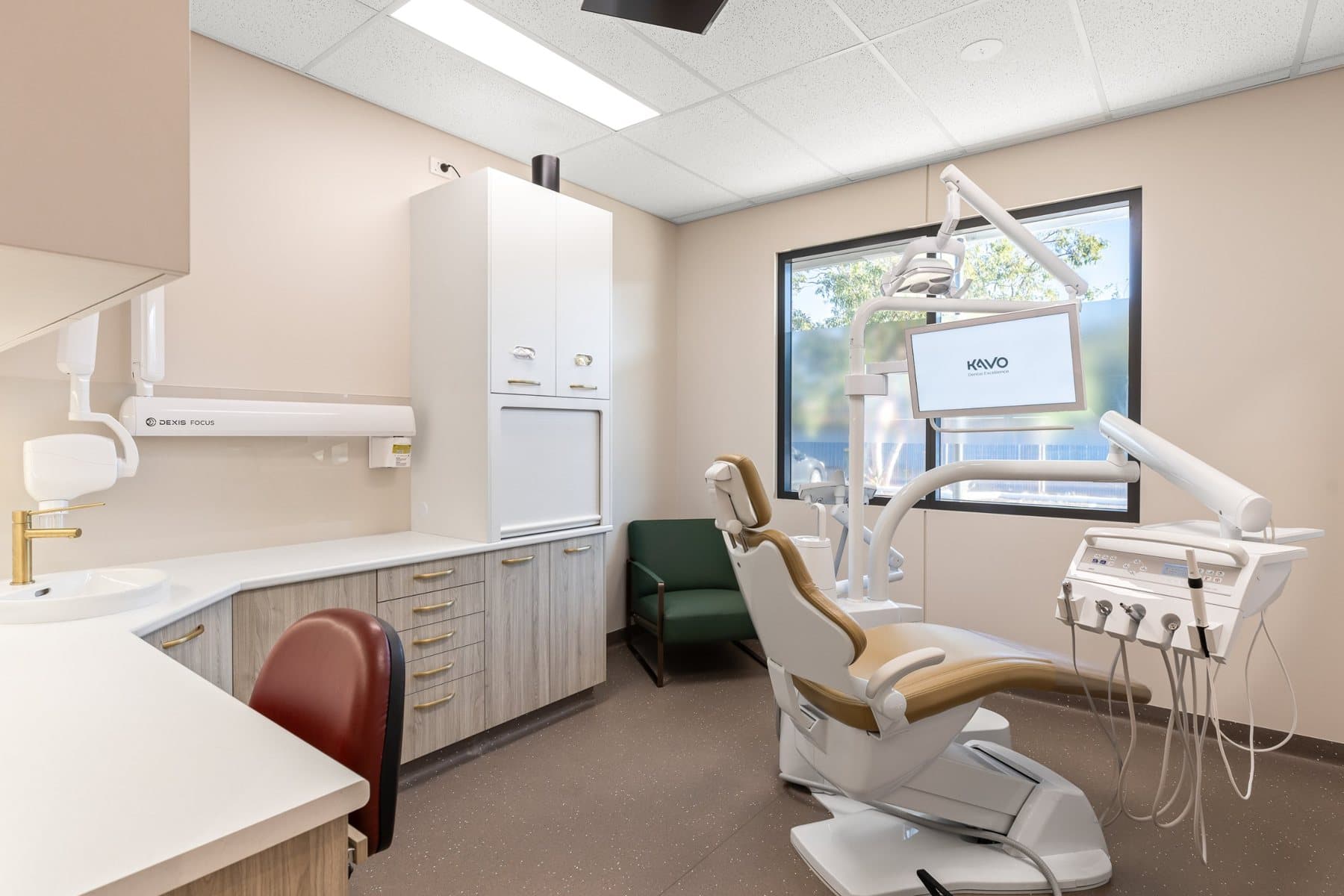
Our clinic was designed to feel less like a traditional dental practice. Treatment areas have been planned to help reduce some of the noises and smells people often associate with dentistry, while soft furnishings, warm timber, a calm colour palette and plenty of natural light help make the space feel a little less clinical.
Once you’re in the chair, there are TVs and noise-cancelling headphones to provide a distraction, and we’re always happy to explain what’s happening, answer questions and work at your pace. Blankets are available if you’d like one.
Beforehand, make yourself comfortable in reception with a cup of tea or chilled still or sparkling water.
And if you’re particularly anxious, tell us. Your dentist can discuss additional options that may be appropriate to help you feel more relaxed during treatment.
Do you see dental emergencies in Broome?
Yes.
If you have toothache, swelling, a broken or knocked-out tooth, a broken filling or crown, a broken denture or another dental problem that can’t wait, contact us and we’ll do our best to see you as soon as possible.
If swelling is affecting your breathing or swallowing, or you’ve had a serious injury to your face, call 000 or attend the hospital emergency department.
I have a toothache. What should I do?
Book a Toothache Appointment or call us.
You don’t need to work out whether you need a filling, root canal or extraction before you arrive. That’s our job.
We’ll examine the area, take any necessary X-rays or 3D imaging and work out where the pain is coming from.
The first priority is getting you comfortable and understanding the problem. Then we can explain what can be done about it.
Does a toothache mean I need a root canal?
Not necessarily.
Teeth can hurt for plenty of reasons, from decay and cracks to gum problems, grinding, an issue with your bite or inflammation inside the tooth.
If the nerve inside a tooth has become irreversibly inflamed or infected, root canal treatment may be one option to try to save the tooth.
But we won’t know that until we assess it.
Toothache is a symptom. Root canal treatment is one possible treatment, not an automatic conclusion.
What is root canal treatment?
Root canal treatment is used to treat the inside of a tooth when the dental pulp, often referred to as the “nerve”, has become irreversibly inflamed, infected or has died.
The affected tissue is removed from inside the tooth, the root canals are carefully cleaned and disinfected, and the space is sealed.
The aim is to remove the source of infection or inflammation and, where appropriate, allow you to keep your natural tooth rather than removing it.
Root canal treatment is usually completed over more than one appointment, depending on the tooth and individual circumstances.
Is it better to have a root canal or have the tooth removed?
There isn’t one answer that applies to everyone.
If a tooth can be predictably restored and has a reasonable long-term outlook, root canal treatment may allow you to keep your natural tooth.
If the tooth is badly damaged, fractured, has insufficient remaining structure or has a poor prognosis for another reason, extraction may be the more appropriate option.
There are also practical considerations, including treatment complexity, time, cost and what you would like to do if the tooth is removed.
We’ll explain the options, the likely prognosis and the costs involved so you can make an informed decision.
If I have a tooth removed, do I need to replace it?
Not always.
It depends on which tooth is being removed, your bite, the surrounding teeth and your individual circumstances.
If replacement is recommended or something you would like to consider, options may include a dental implant, bridge or removable denture.
Sometimes it is appropriate to leave the space.
We can talk about that before the tooth is removed, so you understand both the immediate treatment and what it might mean longer term.
Can you remove wisdom teeth in Broome?
Yes, many wisdom teeth can be assessed and removed at DNTL Code.
Before recommending removal, we’ll assess the tooth, your symptoms and its position.
Where appropriate, our 3D CBCT allows us to assess the relationship between wisdom teeth and important structures such as the nerves in the lower jaw or the sinuses in the upper jaw before treatment.
Some wisdom teeth are more complex and are better managed by a specialist. If we believe referral is the safer or more appropriate option, we’ll tell you.
Being able to do something locally doesn’t mean we should do everything locally. The right care comes first.
TECHNOLOGY
Do you use digital scans instead of dental impressions?
Yes. And we’ve been doing it for a while.
We purchased our first intraoral scanner six years ago. Today, we have four.
An intraoral scanner creates a highly detailed digital model of your teeth, which can often be used instead of traditional impression material for things like crowns, aligners, retainers and other dental work.
Why four scanners? Because when technology genuinely improves the way we care for patients, we want it available across the clinic rather than being something everyone has to share.
Digital scans can improve efficiency and accuracy by reducing some of the variables that come with traditional impressions, including distortion during the impression process, transport and handling.
They also allow us to send your scan digitally to laboratories rather than putting an impression or model in the post.
If you’ve ever waited for something to make its way to or from Broome, you’ll understand why we like that part.
It can mean faster communication with our laboratories and less opportunity for an impression to be affected while travelling long distances, particularly in Broome’s heat.
There’s another benefit we really like: your scans can become part of your digital dental record. Where appropriate, we can compare scans taken at different points in time and see how your teeth and bite may have changed.
Sometimes the best way to understand change is to actually see it.
Why do you take photos of my teeth?
Because it’s much easier to explain what we’re talking about when you can see it too.
Our intraoral cameras allow us to take detailed photographs inside your mouth and show them to you on screen.
We can use these images to document what we see, monitor changes over time and help explain why we may be recommending treatment or simply keeping an eye on something.
They can also be useful when we’re collaborating with another dentist or specialist. Where clinically appropriate and with the necessary consent, images can be shared to help another practitioner understand what we’re seeing and contribute to your care.
Your mouth shouldn’t be a mystery just because you can’t see it yourself.
Do you have 3D dental imaging and CBCT in Broome?
Yes.
DNTL Code has OPG, lateral cephalometric and 3D CBCT imaging available on site, including a large-field-of-view CBCT unit.
Our CBCT provides a three-dimensional view of areas that conventional dental X-rays cannot show in the same way.
Depending on the clinical situation, we may use CBCT imaging to assess the position of nerves and sinuses before wisdom tooth removal, evaluate the height and width of bone when planning dental implants, or investigate complex anatomy such as additional canals during difficult root canal treatment.
Having this imaging available in the clinic can also be particularly valuable when someone comes to us in pain. Where a CBCT is clinically indicated, we can obtain the information we need without automatically sending you elsewhere for imaging and, where appropriate and time allows, use it to help plan treatment that day.
What happens if my 3D dental scan shows something unexpected?
One of the advantages of a larger field of view is that the scan can capture structures beyond the individual tooth or area we may initially be investigating.
Occasionally, that means something unrelated to the original reason for the scan is identified.
Where required, our CBCT imaging is referred for specialist radiological reporting. This provides an additional level of review, including assessment of structures outside the immediate area our dentist may have been investigating.
If something requiring further investigation is identified, we can explain the finding and arrange an appropriate referral or next step.
Sometimes good diagnostics are just as much about what you weren’t looking for.
PREVENTATIVE CARE
What is AirFlow, and can it make my dental clean more comfortable?
AirFlow uses a controlled combination of air, warm water and fine powder to remove plaque biofilm and surface staining from the teeth.
For many patients, it can make parts of the professional cleaning process gentler and more comfortable while allowing us to thoroughly remove biofilm from around the teeth and gums.
Removing this biofilm is an important part of managing gum inflammation, particularly for patients who find effective cleaning more difficult because of reduced mobility, dexterity, orthodontic appliances or other individual circumstances.
Your clinician will still recommend the cleaning techniques appropriate for your teeth and gums.
My filling feels high or my bite feels different. What should I do?
Give us a call.
After a filling or restoration, occasionally a tooth can feel as though it’s contacting before the others, or you may notice that you’re biting more heavily on that tooth.
If something doesn’t feel right, don’t feel like you need to “put up with it.” We can assess your bite and adjust the restoration if required.
MOUTHGUARDS
Do you make custom sports mouthguards?
Yes.
If you or your child plays a contact sport, we can make a custom-fitted mouthguard using a digital scan of the teeth.
Unlike an off-the-shelf mouthguard, a custom mouthguard is made specifically for your mouth, which helps with fit, comfort and staying in place while you’re actually using it.
And because we can scan your teeth digitally, there’s no tray of impression material required.
If your child is still growing or their teeth are changing, we can also let you know when it may be time to check the fit or replace their mouthguard.
Protecting teeth is considerably easier than putting them back together.
Do I need a mouthguard if I have braces?
If you play a sport where there’s a risk of impact to the mouth, speak with us or Dr Gavin.
A mouthguard can be particularly important during orthodontic treatment, but it needs to accommodate the braces and allow room for the teeth to move.
We can advise you on the most appropriate option for your stage of treatment.
TEETH WHITENING
Do you offer teeth whitening in Broome?
Yes.
DNTL Code offers both take-home and in-chair teeth whitening, depending on what suits your teeth, lifestyle and preferences.
Before whitening, it’s important that we check your teeth and gums are healthy and identify things that may affect the result.
Fillings, crowns and veneers, for example, don’t whiten in the same way natural tooth structure does.
So before we make things brighter, we make sure we know what we’re working with.
What’s the difference between take-home and in-chair teeth whitening?
Mostly, it comes down to where you whiten and how quickly you’d like to get there.
Take-home whitening uses custom-made trays and professional whitening product that you use at home according to the instructions provided by your dental team. It allows whitening to happen gradually and gives you more control over the process.
In-chair whitening is performed in the clinic using professional whitening products, allowing us to complete the initial whitening treatment in one appointment.
Neither option is automatically “better.”
The right choice depends on your teeth, sensitivity, existing dental work, the result you’re hoping for, how you’d prefer to whiten and how committed you are to your whitening.
We’ll talk you through both options and help you decide which makes the most sense for you.
Will teeth whitening make my teeth sensitive?
It can.
Temporary sensitivity is a known side effect of teeth whitening and varies from person to person.
If you already have sensitive teeth, tell us before you start. We can assess what may be contributing to the sensitivity and discuss ways to make whitening more manageable, or whether whitening is appropriate for you at all.
Whiter teeth are nice. Comfortable teeth are important too.
COSMETIC DENTISTRY
Are veneers right for me?
It depends on your teeth, gums and bite, and on what you’d like to change.
Every person is different, and there are a few different ways to improve your smile, such as clear aligners or whitening. A consultation is the place to find out which options may suit you, along with their risks, limitations and costs.
A FEW OTHER THINGS
I’m here for my teeth. Will you try to sell me skin treatments?
No.
Here for your teeth? We’ll focus on your teeth.
Here for your skin? We’ll focus on your skin.
Having dental and skin care under the same roof gives you access to both if you want them. It doesn’t mean you’ll be pushed from one into the other.
What if my jaw muscles are enlarged, tight or painful?
Your chewing muscles can become enlarged or overworked for a number of reasons, including clenching or grinding.
Rather than jumping straight to a treatment, we’ll first look at what may be contributing to the problem and assess your teeth, bite, jaw and symptoms.
Depending on the cause and your individual circumstances, management may include monitoring, behavioural strategies, a dental splint or referral. In some clinically appropriate cases, a qualified practitioner may also discuss therapeutic medical treatment aimed at reducing activity in specific chewing muscles.
The right approach depends on why the muscles are working so hard in the first place.
Were you Broome Dental Clinic?
Yes.
For 35 years, we were known as Broome Dental Clinic, making us the longest-standing dental practice in Broome.
Today, we’re DNTL Code and have a new home at the Broome Health & Wellness Centre.
The name and building have changed. Our connection to Broome hasn’t.
A calm place
to ask anything.
KIDS’ DENTAL
Little teeth are welcome here.
First tooth? First visit. The best first visit is often one where nothing is wrong at all, so the clinic, the team and the chair already feel familiar.
Questions about your chompers? No croc-ing around. Ask us!
CDBS welcome here.
Eligible children aged 0–17 can access up to the current CDBS benefit cap for eligible dental services.
When should my child first see the dentist?
First tooth? First visit.
Coming to the dentist before there’s a problem helps children become familiar with the clinic, the team and the dental chair.
Those early visits are as much about building familiarity and good habits as they are about checking teeth.
And there’s a good chance Dr Croc will make an appearance.
Is DNTL Code a family-friendly dentist?
Very much so.
We look after little teeth, grown-up teeth and plenty in between.
For families with multiple children, talk to our team about booking appointments consecutively where possible. We know getting everyone to the dentist can involve school, work, naps, sport and approximately 47 other logistical considerations.
If we can make the family dental run easier, we will.
SCHOOLS, CHILDCARE & MUMS’ GROUPS
Dr Croc comes to you.
We’re very happy to visit local schools, childcare centres and mums’ groups for story time and a little early-years education about looking after little teeth.
It’s a relaxed, fun way for children to meet us (and Dr Croc) well before they need to sit in the dental chair, so the clinic already feels familiar when they do.
How do I choose the best dentist in Broome for me?
“Best” depends on what matters to you.
Look at the experience of the clinicians, the treatments available, technology and facilities, how clearly costs and options are explained, and whether you feel comfortable asking questions.
At DNTL Code, we’ve built our team and clinic so more routine and complex dental care can be provided locally, with modern technology and clinicians across general dentistry, preventative care, orthodontics and implant dentistry.
But qualifications and equipment are only part of it. You also need to feel comfortable with the person looking after you.
Different personalities connect with different people. If you ever feel that you and one of our clinicians aren’t quite the right fit, please tell us. We won’t take offence. Where appropriate, we can introduce you to another member of our clinical team who may suit you better.
The right care starts with being comfortable enough to ask questions.
Is DNTL Code more expensive than other dentists in Broome?
Our clinic may look a little different, but that doesn’t mean our everyday dental fees come with a premium price tag.
Our fees are set in line with the broader Australian and Broome dental market.
Where we’ve chosen to do more is in the things behind your care: our facilities, technology, equipment, team and the range of treatment we can provide locally.
Better surroundings don’t have to mean bigger bills.
If treatment is recommended, we’ll explain your options and expected costs so you can make an informed decision.
Is DNTL Code good value for money?
Value in healthcare isn’t simply about finding the lowest number.
It’s understanding what you’re paying for, having your options explained clearly, using quality materials and technology where they improve care, and feeling confident in the plan before you proceed.
We aim to keep our fees in line with the local market while continuing to bring technology, equipment and clinical capability to Broome that allows more of our patients to access care closer to home.
Will you tell me if I don’t need treatment?
Yes.
Sometimes the right recommendation is treatment. Sometimes it’s monitoring something. Sometimes it’s doing nothing for now.
Our job is to explain what we see, what your options are and what we recommend clinically.
The decision is still yours.
CHOOSING A DENTIST
Looking for a dentist in Broome?
Choosing a healthcare provider is personal. These are some of the questions worth asking before deciding where to go.
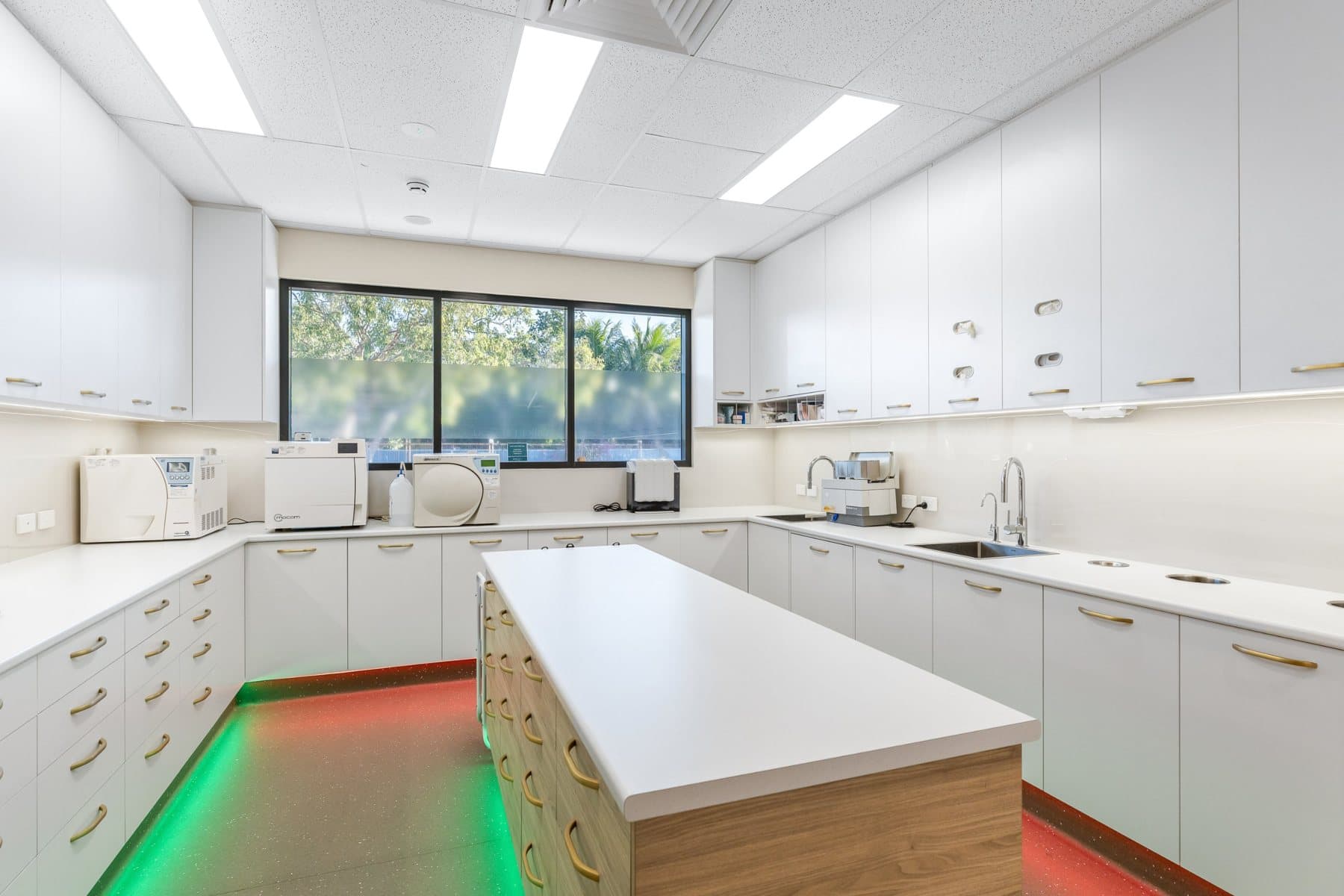

ORTHODONTICS
Braces?
Invisalign®?
Not sure?
You don’t need to decide before you arrive.
Is there a permanent orthodontist in Broome?
Yes.
DNTL Code is home to Dr Gavin Brown, Specialist Orthodontist, who lives and works here in Broome.
Having a permanent orthodontist locally means consultations, treatment planning and ongoing orthodontic appointments can happen here, across different days of the week, rather than your care being structured around an occasional visiting clinic.
What is an Orthodontist?
An orthodontist is a dental specialist who focuses on diagnosing, preventing, and correcting misaligned teeth and jaws. After completing general dental training, orthodontists undergo several additional years of university study to specialise in how teeth and facial structures grow and move.
They’re the experts behind treatments like braces, clear aligners (such as Invisalign), early intervention for kids, and jaw development solutions — all designed to improve not just the look of your smile, but how your teeth function for life.
Do you offer braces and Invisalign® in Broome?
Yes.
We provide specialist orthodontic treatment for children, teenagers and adults, including braces and Invisalign® where clinically appropriate.
Which option is better depends on your teeth, bite, treatment goals and individual circumstances.
You don’t need to work that out before you arrive. That’s what the consultation is for.
Is Invisalign® better than braces?
Not necessarily.
They’re different tools, and each has advantages depending on what needs to be corrected.
Rather than choosing based on which one looks better online, Dr Gavin can assess your teeth and bite and explain which options are suitable for you.
Am I too old for braces or Invisalign®?
Probably not.
Orthodontic treatment isn’t only for teenagers. Adults may choose orthodontic treatment to straighten teeth, improve their bite or address concerns they’ve had for years.
The first step is simply finding out what’s possible.
When should my child see an orthodontist?
Not every child needs orthodontic treatment.
An earlier assessment can be useful if there are concerns about jaw development, bite, tooth position, crowding or how the adult teeth are erupting.
Sometimes early treatment is appropriate. Often it isn’t.
If treatment isn’t needed yet, Dr Gavin may simply monitor your child as their adult teeth continue to come through and recommend reassessment at the appropriate time.
An orthodontic assessment doesn’t automatically mean orthodontic treatment.
What is two-phase orthodontic treatment?
Some children benefit from orthodontic treatment in two separate stages.
Phase one happens while a child still has a mix of baby and adult teeth. This is sometimes called early-intervention orthodontics.
The aim isn’t necessarily to straighten every tooth at this age. Early treatment may be recommended when there’s an opportunity to address a developing bite, jaw relationship, lack of space or another problem that may be more appropriately managed while your child is still growing.
Then we wait.
Once more of the adult teeth have come through, your child can be assessed again to determine whether a second phase of orthodontic treatment is actually needed.
Some children will benefit from braces or aligners at that stage. Others may need less treatment than originally anticipated, and some may not require a second phase at all.
Early intervention doesn’t automatically mean two rounds of braces.
It means intervening at the right time when there is a clinical reason to do so, then reassessing as your child grows.
Does every child need early-intervention orthodontics?
No.
Sometimes the best orthodontic treatment for a growing child is simply keeping an eye on things.
Dr Gavin will look at how your child’s teeth, bite and jaws are developing and whether there is a genuine benefit to intervening while they are still growing.
If there isn’t, we monitor.
An early orthodontic assessment is about identifying the children who may benefit from treatment now, while avoiding unnecessary treatment in those who don’t.
Can thumb sucking affect my child’s teeth and jaw development?
Persistent thumb or finger sucking can influence the way a child’s teeth and bite develop, particularly when the habit continues as the adult teeth begin to come through.
Depending on the frequency, duration and intensity of the habit, changes can occur in the position of the teeth and the relationship between the upper and lower jaws.
The good news? It’s something we can identify early.
If your child is finding it difficult to stop thumb or finger sucking, talk to us. Depending on their age, development and individual situation, we can discuss strategies to help break the habit and, where appropriate, Dr Gavin may recommend an orthodontic habit-breaking appliance.
The aim isn’t to make a child feel bad about the habit.
It’s to help them move away from it at the right time and, where possible, reduce its ongoing effect on developing teeth and jaws.
What is a thumb-sucking appliance?
A thumb or finger-sucking appliance is an orthodontic device that may be recommended for some children when a persistent habit is affecting, or has the potential to affect, their developing teeth and bite.
It isn’t there as a punishment.
The appliance acts as a physical reminder and makes it more difficult for the habit to continue automatically, particularly during sleep when children may not realise they’re doing it.
Not every child who sucks their thumb needs an appliance. We’ll first look at their age, teeth, bite, growth and the nature of the habit before discussing whether any intervention is actually necessary.
What is a maxillary palatal expander?
It sounds considerably more intimidating than it is.
A maxillary palatal expander is an orthodontic appliance used to widen the upper jaw, or maxilla, in a growing child.
While a child is still developing, there can be an opportunity to guide the width of the upper jaw before growth is complete.
Why might my child need a palatal expander?
Dr Gavin may recommend expansion when the upper jaw is too narrow in relation to the lower jaw, there is a crossbite, insufficient space for developing adult teeth, or another orthodontic concern where increasing the width of the upper jaw may be beneficial.
The important part is timing.
Some orthodontic problems can be managed differently while a child is still growing than they can once growth is complete. That’s one of the reasons an early orthodontic assessment can be useful, even though treatment may not be required at that time.
If expansion is recommended, Dr Gavin will explain what he has identified, why he believes treatment may help, how the appliance works and what you and your child can expect.
And if your child doesn’t need one? We won’t recommend one.
Can early orthodontic treatment reduce how much treatment my child needs later?
Sometimes, but it can’t be promised.
Early intervention may allow us to address certain developing problems at a stage when a child is still growing. In appropriate cases, this may make later orthodontic treatment less complex or help create a better foundation for the adult teeth to erupt.
But early treatment doesn’t guarantee that braces or aligners won’t be needed later.
That’s why we assess, explain and monitor rather than treating every child according to the same formula.
The goal isn’t to start orthodontics as early as possible. It’s to start at the right time, if it’s needed at all.
Do my teeth and gums need to be healthy before I start orthodontic treatment?
Yes. Healthy foundations matter.
Before braces or aligners begin, we need to make sure your teeth and gums are healthy enough for orthodontic treatment.
If orthodontics has been on your mind but you’re not quite ready to book an orthodontic consultation, a comprehensive dental examination and clean is a very good place to start.
We can check your teeth and gums, address anything that needs attention and help get everything ready for the next step.
Do I have to travel to Perth for orthodontic appointments?
For orthodontic treatment provided through DNTL Code, your routine orthodontic care can be managed here in Broome.
That means less organising flights, accommodation, time away from school or work, and travel for routine appointments.
How much do braces or Invisalign® cost in Broome?
Orthodontic fees are generally based on the type and complexity of treatment required, and specialist orthodontic treatment tends to sit within relatively established fee ranges.
Being in Broome doesn’t mean orthodontic treatment should automatically cost more simply because you’re regional.
After your assessment, we’ll explain which options are suitable, your expected treatment time and the associated fees before you decide whether you’d like to proceed.
Payment options may also be available for eligible patients.
Can I get dental implants in Broome?
Yes.
DNTL Code provides dental implant treatment in Broome, from replacing a single missing tooth through to more complex full-arch implant treatment for suitable patients.
Your first step is an assessment to determine whether implants are appropriate for you and what options may be available.
Do I need to travel to Perth for dental implants?
Not necessarily.
One of the reasons we’ve expanded our facilities, technology and implant team is to allow more implant care to be provided here in Broome.
Some particularly complex cases may still require input from or referral to another clinician. If that applies to you, we’ll explain why.
Our aim is to get you the right care, with less travel where possible.
How much do dental implants cost in Broome?
There isn’t one implant price that applies to everyone.
Cost depends on what needs replacing, the condition of your teeth and gums, the amount of available bone, the number and type of implants required and whether any additional procedures are needed.
As part of implant planning, a 3D CBCT scan may be required. This gives us a three-dimensional view that helps us assess important structures such as the position of nerves and sinuses, as well as the height and thickness of available bone.
Once the appropriate assessment and diagnostics are complete, we can explain your options and provide a treatment plan with expected costs before you decide whether to proceed.
How long does a dental implant take from start to finish?
Dental implant treatment usually happens in stages rather than all at once.
The exact timeline depends on your mouth, the tooth being replaced, available bone, healing and the type of implant treatment you’re having, but for a straightforward single implant there are generally two main treatment stages.
Stage one: placing the implant.
After your assessment, 3D CBCT imaging and treatment planning, the dental implant is placed into the jawbone.
The implant then needs time to heal and integrate with the surrounding bone. This is an important part of the process and usually takes several months.
Depending on your individual situation, you may have a temporary tooth or another temporary option while healing takes place.
Stage two: making your new tooth.
Once the implant has integrated and your dentist is happy with the healing, we move into the restorative stage.
We take detailed digital scans and work with our dental laboratory to design and manufacture the final implant crown that attaches to the implant.
Your new tooth is then fitted, your bite is checked and we’ll explain how to look after it long term.
How long do I have to wait between having an implant placed and getting the final tooth?
Usually several months, but there isn’t one timeline that applies to everyone.
Your bone needs time to heal around and integrate with the implant before the final tooth can be fitted. The time required can vary depending on where the implant is placed, your bone, your general and oral health, whether bone grafting or other procedures are required, and how your individual healing progresses.
In some situations, a temporary tooth may be possible during this period.
We’ll give you an expected timeline as part of your treatment plan so you know what happens at each stage before treatment begins.
Good implant treatment isn’t about rushing the bit your body needs time to do.
Can my tooth be removed and an implant placed on the same day?
Sometimes.
In suitable cases, an implant may be able to be placed at the same appointment as the tooth is removed. In other situations, it may be better to remove the tooth first and allow the area to heal before implant placement.
Your 3D CBCT imaging, available bone, infection, gum health and the position of important structures all help us determine which approach is appropriate.
And even when an implant can be placed immediately, that doesn’t necessarily mean the final tooth is fitted on the same day.
We’ll explain the sequence, temporary options and expected timeline before you decide to proceed.
Are dental implants worth the money?
For the right patient, implants can be an excellent long-term option for replacing missing teeth, but they aren’t automatically the best choice for everyone.
We’ll talk through the potential benefits, limitations, costs, ongoing maintenance requirements and alternatives so you can decide whether implants represent good value for you.
Can I get full-mouth dental implants or All-on-X implants in Broome?
Full-arch implant treatment is available at DNTL Code for suitable patients.
This is significant treatment and begins with comprehensive assessment and planning.
We’ll consider your dental health, medical history, available bone, existing teeth and what you’re hoping to achieve before discussing whether full-arch implant treatment is an appropriate option for you.
Am I too old for dental implants?
Age alone doesn’t determine whether someone is suitable for dental implants.
Your general health, oral health, available bone, medications and other individual factors are usually more relevant.
An implant assessment is the best way to understand what may be possible for you.
I’ve been told I don’t have enough bone for implants. Can you still help?
Possibly.
Previous advice doesn’t necessarily tell us what is possible today, but it also doesn’t mean implants will automatically be suitable.
Bring any previous scans or information you have. We can assess your individual circumstances, obtain updated imaging where appropriate and explain what options may be available.
DENTAL IMPLANTS
Thinking about implants?
There’s a lot of information online. Some of it useful. Some of it… less so.
Start with the questions that actually matter.
SKIN
Good skin starts with a good plan.
You don’t need to arrive knowing which treatment, machine or product you need.
That’s what the assessment is for.
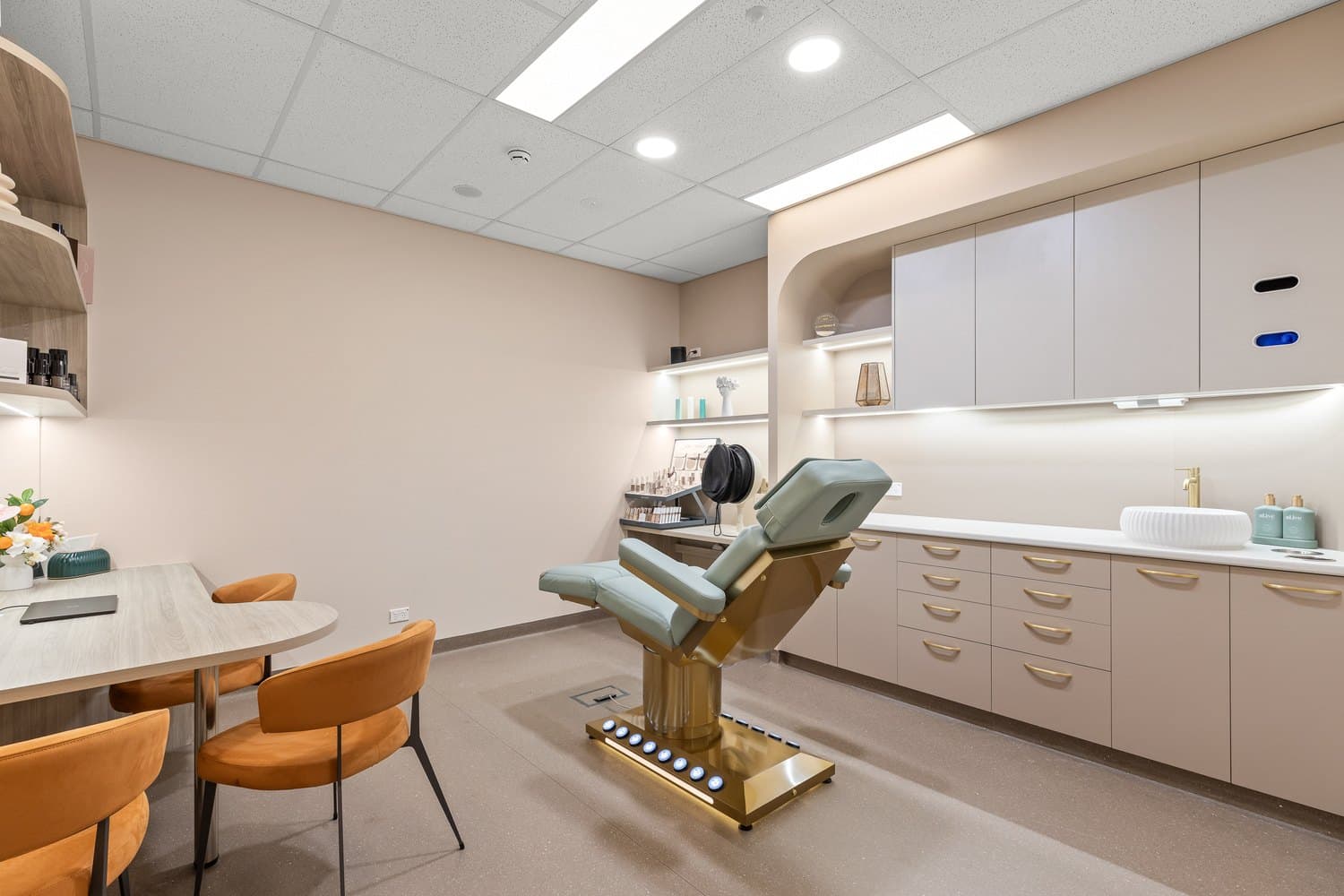
Do I need to know which skin treatment I want?
No.
Tell us what you’ve noticed, what bothers you, what you’ve tried and what you’d like to achieve.
We’ll take it from there.
What happens at a skin assessment?
We’ll talk about your skin, health, concerns, current products and treatment goals before looking closely at your skin and, where appropriate, using facial analysis imaging.
Then we’ll explain what we see and put together a considered plan.
What’s worth doing. What can wait. And what might not be worth doing at all.
Is skin care just for women?
No.
Skin is skin.
We see people of different ages and genders with everything from acne, pigmentation and redness to changing skin, texture and general skin health.
Will I be told about risks and recovery?
Yes.
Before treatment, your practitioner will explain what’s involved, realistic expectations, potential risks, likely recovery or downtime and alternative options, including doing nothing.
Why can’t I see the price of every medical aesthetic treatment online?
Some medical aesthetic treatments involve prescription medicines and are subject to strict Australian advertising requirements. This means there are treatments and associated pricing that we cannot publicly advertise in the same way we can our other services.
That doesn’t mean the cost should be a surprise.
Start with a Medical Aesthetic Consultation. Your practitioner will discuss your concerns, assess whether treatment is clinically appropriate and explain suitable options, potential risks, alternatives and the relevant costs before you decide whether you would like to proceed.
Where appropriate, if you choose to proceed with treatment on the day, your consultation fee may be credited towards that treatment.
If you decide not to proceed, that is completely fine. The consultation fee still applies for the professional assessment and advice provided.



SKIN TREATMENTS
Good advice first. Treatment second.
You don’t need to arrive knowing which treatment, machine or product you need.
That’s what the assessment is for.

HYDRAFACIAL
What can I expect during the treatment?
During your HydraFacial treatment, you'll experience a relaxing four-step process:
Deep Cleanse: The treatment starts with a thorough cleansing using a vortex water flow that removes makeup and impurities from the skin's surface.
Gentle Exfoliation: We gently exfoliate with a mild acid peel to remove dead skin cells, enhancing the skin's absorption of specialised serums.
Extraction: A suction tool delicately removes debris from the pores, improving the skin's clarity and texture.
Hydration: The session concludes with an infusion of serums rich in antioxidants, peptides, and hydrating ingredients to nourish and revitalise the skin.
What are the side effects?
HydraFacial is known for its safety and suitability for all skin types, including sensitive skin.
Side effects are minimal and typically include slight redness or tightness immediately following the treatment, which usually subsides within an hour.
What are the results of HydraFacial?
After your treatment, you can expect a noticeable improvement in skin hydration, texture, and overall glowing radiance.
We recommend regular monthly treatments to help reduce the appearance of fine lines, wrinkles, and hyperpigmentation and manage conditions like acne by clearing pores and calming inflammation.
How do I prepare for my treatment?
We recommend a skin consultation with our dermal therapist, who will assess your skin type and concerns and ensure you achieve optimal results.
We'll also recommend specific skincare products to prime your skin for the treatment and
maximise its benefits.
Post-care, follow up and next steps.
Post-care: Avoid using harsh products or exfoliants for 48 hours. We'll suggest gentle skincare products to maintain and enhance the results.
Follow-up: To achieve the best results, regular monthly treatments are recommended. We'll discuss a treatment plan tailored to your skin's needs.
Next steps: Our team will continue to monitor your skin's progress and adjust the treatment plan to help you maintain fresh, vibrant-looking skin.
Is this treatment suitable for me?
Our HydraFacial treatment is suitable for most skin types, including sensitive, acne-prone, dry, or sun-damaged.
If you’re pregnant or breastfeeding, we’ll customise the treatment for you.
During your initial consultation, our medical aesthetic team will help determine if this treatment is the best option for your skin's unique needs and goals.
AEROLASE
What to expect during your treatment?
First time with laser treatment? No worries! We prioritise your comfort and safety above all else.
Our friendly dermal therapists are here to guide you through the process, ensuring you feel informed and at ease every step of the way.
Thanks to the Neo's ultra-fast energy delivery, you'll feel minimal discomfort during your session. It's super quick and gentle, so you'll be in and out before you know it, usually within 30 to 45 minutes.
Plus, the Aerolase® LightPod Neo® is designed to effectively treat all skin types and skin colours, making it a standout choice compared to traditional lasers, which are limited to lighter skin tones.
Are there any side effects?
After your treatment, you might notice some redness, but don't worry—it typically subsides within a few hours.
Unlike traditional lasers, the Aerolase® LightPod Neo® might make your pigmentation slightly darker after the treatment.
Don't worry, though—it won't flake off or come to the surface. Instead, your body’s immune system will gradually absorb it.
With each treatment, you'll move closer to achieving the clear, vibrant skin you desire.
You're just a few sessions away from seeing real, visible improvements in your skin.
What are the results you can expect?
Our patients love the results they see—smoother skin, fewer lines, and a more even complexion.
Aerolase LightPod Neo effectively minimises the visible signs of ageing, clears acne, and evens skin tone, delivering a refreshed and revitalised appearance.
It's all about bringing out the best in your skin! You can expect enhanced skin tone and texture, including smoother, clearer, and younger-looking skin.
For the best results, we recommend a minimum of four treatments followed by maintenance treatments every 6 - 9 months.
Preparing for your treatment.
Here's how to get your skin ready for the best results.
Before your treatment, we'll discuss skincare options tailored to your needs to maximise results.
Avoid sun exposure and harsh skin treatments, such as chemical peels or aggressive exfoliants, a few days before your session.
Post-care, follow-up, and next steps.
Post care: After your session, it's a good idea to keep things simple. We'll advise you on the correct skincare to keep your skin calm and soothed on the days after your treatment. Always protect your skin with broad-spectrum sunscreen.
Follow-up: In the days after your treatment, we'll check in with you to see how everything's going and plan any follow-up treatments to keep your skin looking its best.
Next steps: For the best results, we recommend a minimum of four treatments followed by maintenance treatments every 6 - 9 months.
Is this treatment suitable for you?
The Aerolase® LightPod Neo® is suitable for all skin types and skin colours.
This treatment is perfect if you have concerns with ageing, redness, pigmentation, acne or scars.
During your skin consultation with one of our friendly dermal therapists, we'll discuss your suitability, specific skin concerns and expected results.
IPL
What can I expect during the treatment?
Your comfort is our priority. During the treatment, you'll feel a light snap, like a small rubber band flicking against your skin, accompanied by a warm sensation. It's quick, and most of our clients handle it very well.
The session typically lasts 15 to 30 minutes, depending on the area being treated. Our experienced dermal therapist will ensure your treatment is as comfortable as possible.
What are the side effects?
Most clients experience minimal side effects, including a mild redness or slight swelling in the treated area, similar to a sunburn.
These symptoms are typically temporary and subside within a few hours to a few days.
We'll provide you with all the guidance you need to handle these minor side effects comfortably.
What results can you expect?
You can look forward to clear, more even-toned and vibrant skin, which will gradually emerge over several sessions.
When treating pigmentation, you may experience what we call the "Milo Effect." After a CBL treatment, the treated spots get slightly darker and form a thin crust, similar to a light graze. This is normal as the darkened pigment is brought to the surface. As the skin heals, the pigment diminishes, leaving your skin clearer and more even.
While individual results vary, most of our clients notice significant improvements in skin tone, texture, and overall appearance after a few treatments.
A reduction in hair and the minimisation of skin imperfections is progressive, leading to lasting results.
How do I prepare for my treatment?
Here's how to get your skin ready for the best results.
During your skin consultation, we'll recommend advanced skincare solutions for home use before your treatment to maximise your results.
Avoid sun exposure and harsh skin treatments, such as chemical peels or aggressive exfoliants, a few days before your session.
Post-care, follow up and next steps.
Post-care: After your treatment, we’ll recommend a skincare routine to ensure your skin remains hydrated and nourished.
Keep the area cool and moisturised.
Avoid sun exposure and use a broad-spectrum sunscreen daily to protect your rejuvenated skin.
Follow-up & next steps: We typically recommend a series of sessions to achieve the best results.
After completing your initial series, maintenance sessions might be needed once or twice a year to sustain your vibrant new look.
We'll assess your progress during your follow-up visits and adjust the treatment plan if necessary, ensuring you continue to enjoy your optimal results.
Frequency and Maintenance: We recommend starting with a series of 4 to 6 treatments about four weeks apart. This frequency allows your skin to respond to the therapy and regenerate between sessions.
Is this treatment suitable for me?
Our treatment is suitable for a wide range of skin types and concerns.
CBL is an excellent solution for age spots, unwanted hair, or uneven skin texture.
The best way to determine if this treatment is right for you is to schedule a skin consultation with our aesthetic team.
During your skin consultation, we'll discuss your skin concerns, review your medical history, and create a personalised treatment plan.
RF MICRONEEDLING
What can I expect during the treatment?
Your comfort and care are our top priorities. Upon arriving for your Secret RF Microneedling treatment, our dermal therapist will gently cleanse and prepare your skin. A soothing numbing cream will be applied to ensure a comfortable experience.
During the treatment, you may feel a mild tingling sensation or warmth, which most of our clients find perfectly tolerable.
Depending on the treatment area, you can expect the session to last between 20 to 40 minutes.
What are the side effects?
It's normal to see some redness and swelling, like a sunburn, immediately after the treatment.
These effects are typically mild and resolve within a few days.
While less common, minor bruising or pinpoint bleeding can occur but heals quickly
Following the aftercare instructions provided by your dermal therapist will help minimise any discomfort and ensure a smooth recovery.
What results can you expect?
Immediately after your treatment, you’ll experience a post-treatment glow. As the skin begins to heal, you’ll notice your skin texture and tone improve, becoming more visible within a few weeks.
What’s really exciting about RF Microneedling is the continued enhancements and optimal results you’ll notice up to six months after your treatment. As your skin continues to improve and natural collagen production is boosted, you'll have smoother skin with a softening in the appearance of lines and wrinkles.
How do I prepare for my treatment?
Getting your skin ready for treatment is simple. Avoid harsh skincare products like concentrated retinoids and acids for about a week before your session.
Keep your skin hydrated and moisturised.
If you're prone to cold sores, please mention this during your initial skin consultation.
Post-care, follow up and next steps.
Post-Care: After your treatment, we'll discuss any post-care requirements and the proper skincare to nurture your skin during recovery. Avoid direct sunlight and apply broad-spectrum sunscreen daily. Limit makeup and strenuous activities for the first 24 hours to allow your skin to start the healing process without disturbance.
Follow-Up and Next Steps: During this visit, we can discuss the potential need for additional sessions and further personalise your treatment plan based on your initial results.
Frequency and Maintenance: For more significant changes, such as skin tightening and wrinkle reduction, we recommend 3-4 treatments spaced 4-6 weeks apart.
To continually stimulate collagen production, smooth the skin texture, and improve the appearance of fine lines, wrinkles and scars, we recommend maintenance treatments every 6-9 months.
This regular schedule helps sustain the youthful and vibrant appearance achieved with your initial treatments.
Is this treatment suitable for me?
Secret RF Microneedling is wonderfully effective for a wide range of skin types and concerns, especially if you want to improve skin firmness, texture, and tone and reduce the appearance of fine lines and wrinkles.
We recommend a skin consultation with our medical aesthetics team to discuss your suitability and ensure this treatment is perfect for you.
Please Note:
RF Microneedling isn't suitable for darker skin tones. For those clients, we recommend our SkinPen treatment.
This treatment is unsuitable for those with active skin infections, certain acne medications, or a tendency towards keloid scars.
Pregnant women should also postpone this treatment.
ACNE
I’m not a teenager. Can you still help with my breakouts?
Yes. Breakouts don’t always stop after school.
Hormones, stress, oil production and bacteria can all play a part, at fifteen or forty-five.
At your skin assessment, we’ll look closely at your skin and talk about your routine, your health and what you’ve already tried, so we can understand what may be driving it before we suggest anything.
What happens if I come in about acne?
It starts with a skin assessment, not a treatment.
We’ll look at your skin, the kind of breakouts you’re getting and the products you use now, then talk through the options that may suit you. That might be treatment in the clinic, a skincare routine for home, or both.
Before anything starts, we’ll explain what’s involved, realistic expectations, potential risks, aftercare and costs. The decision stays with you.
Does my skincare at home matter?
It does.
What you do at home every day works alongside anything we do in the clinic. We’ll suggest a routine for your skin and explain why each step is there.
Not sure what to keep, what to stop or what you actually need? Bring your products to your assessment and we’ll go through them with you.
PIGMENTATION
What causes pigmentation?
Sun exposure and melasma are two common causes.
UV exposure can lead to sunspots, freckles that darken and patches that are darker than the skin around them. Melasma is often linked to hormonal changes, such as pregnancy or some hormone medications, and the sun can make it more noticeable.
Different kinds of pigmentation can look alike, which is why we assess your skin before recommending anything.
Why do I need an assessment before pigmentation treatment?
Because not all pigmentation is the same, and the right approach depends on what’s causing it and on your skin.
At your skin assessment, we’ll look closely at the pigmentation, ask about your time in the sun, your health and your current products, and talk through the options that may suit you, including their risks, aftercare and costs.
Sometimes the most useful first step is a change to your daily routine rather than a treatment.
Does sun protection matter if I have pigmentation?
Very much so.
UV exposure is a common cause of pigmentation and can make melasma more noticeable, so protecting your skin every day is part of any plan we make together.
In Broome, that means a broad-spectrum sunscreen every day, reapplied through the day, plus a hat, sunglasses and shade where you can.
SUN & SPF
Sunscreen is part of the routine.
You put sunscreen on this morning. Then a few hours later, you realise it’s time to top up.
In Broome, the sun is part of everyday life. Here’s what we think everyone should know about skin cancer, sunscreen and how much to actually use.

Why should sunscreen be part of my everyday routine?
Often when we hear about something serious, it’s easy to think, “It’ll never happen to me.” But when it comes to skin cancer in Australia, the statistics are hard to ignore.
Sunscreen isn’t just for beach days, holidays or when you know you’ll be outside all day. In Broome, sun protection should be part of the everyday routine.
A few facts worth knowing:
- At least 2 in 3 Australians will be diagnosed with skin cancer in their lifetime.
- Australia has one of the highest rates of skin cancer in the world.
- More than 2,000 Australians die from skin cancer each year.
- Most skin cancers are linked to exposure to UV radiation from the sun.
AIRYDAY’s founder learned this the hard way, becoming part of the statistics at the age of 36.
Figures from Cancer Council Australia.
Do I really need sunscreen every day?
In Broome, we’d say yes.
UV levels across northern Australia sit high enough for sun protection all year round, including on cloudy days. And the damage doesn’t only come from sunburn. It builds up quietly from everyday exposure over time.
The easiest approach is to make it part of your morning, like brushing your teeth. A broad-spectrum, water-resistant SPF30 or higher, applied before you head out the door.
Sunscreen works best alongside a hat, sunglasses, shade and protective clothing, not instead of them.
I’m not going to the beach. Do I still need sunscreen?
Probably, yes.
Most of our sun exposure doesn’t happen on beach days. It’s the walk across the car park, school drop-off, lunch outside, a bit of gardening or the drive home with your arm on the window. Those few minutes here and there add up.
UV also comes through cloud and reflects off water, sand and concrete. If you’re mostly indoors, put sunscreen on in the morning and top up before you head outside.
Can skin cancer be prevented?
The good news: skin cancer is largely preventable, and it’s never too late to start.
Nearly all skin cancers are linked to your cumulative exposure to ultraviolet (UV) radiation. That means when you protect your skin from the sun’s UV radiation, you reduce your risk.
What can I do to reduce my risk of skin cancer?
- Wear a TGA-listed broad-spectrum body and face sunscreen, every day.
- Stay out of the sun where possible, especially in the middle of the day.
- Wear protective clothing, a hat and sunglasses.
- Reapply your sunscreen often.
So now you know. Don’t forget to SPF, all day Airyday™!
How much sunscreen should I use?
Sunscreen is a crucial part of any skincare routine. But it’s not just the type of sunscreen you use that matters. The amount you apply is just as important, and most of us use far less than we think.
Face: about one teaspoon (5 ml) of face sunscreen for your face, neck and ears.
Body: about one teaspoon for each arm and each leg, and one each for the front and back of your body. That’s around 35 ml (7 teaspoons) of body sunscreen for a full-body application.
Amounts as recommended by Cancer Council.
How often should I reapply sunscreen?
Whatever the water-resistance rating, reapply every two hours, and straight after swimming, sweating or towel drying.
Topping up shouldn’t be a chore. Keep a bottle of On Repeat SPF50 Top-Up Mist with you to make top-ups quick and easy. Hold it 10–15 cm from your face and mist until your skin looks and feels wet.
Use On Repeat as a top-up to your primary SPF, not a replacement for your first application.
Always read the label and follow the directions for use.
Can I claim my health fund on the day?
Yes.
If you have eligible private health cover, HICAPS allows you to process your claim at the clinic.
Your rebate depends on your health fund, level of cover and the treatment provided.
Will I know what my dental treatment costs before I start?
Where possible, yes.
For treatment requiring planning, we’ll provide an estimate or written treatment plan outlining the recommended treatment, your options and expected costs before you proceed.
If something changes during treatment, we’ll talk to you about it.
Do you offer dental payment plans?
Payment options may be available for larger treatment plans, including Fund My Dental and DentiCare.
Eligibility, fees and terms apply, and our team can explain the options available.
Why aren’t you a preferred provider?
Preferred-provider arrangements generally involve an agreement between a dental practice and a health fund, including agreed fee structures.
DNTL Code has chosen to remain independent so decisions around your care, appointment time, materials, laboratories and treatment recommendations are made based on your clinical needs rather than an insurer agreement.
You can still use eligible private health insurance at DNTL Code and claim through HICAPS on the day.
Will I pay more because DNTL Code isn’t a preferred provider?
Not necessarily.
What you pay out of pocket depends on both the treatment fee and the rebate provided by your individual health fund and policy.
Our fees are set in line with the Broome market, and we can provide expected treatment costs so you can check your likely rebate with your fund before proceeding.
Do you accept the Child Dental Benefits Schedule?
Yes.
Eligible children can use the Child Dental Benefits Schedule for eligible dental services at DNTL Code, up to the current benefit cap.
Bring your child’s Medicare details and our team can help check their eligibility.
Do you work with Indigenous Lands Trusts and Aboriginal corporations?
Yes. We work with a number of trusts and organisations to help eligible patients access dental care.
The approval process can differ between organisations, but generally we first seek approval for either an emergency appointment or a comprehensive dental examination and any required diagnostics.
For comprehensive care, we can then prepare a treatment plan for the relevant organisation to review and pre-approve before further treatment is booked.
Once approval has been received, we can proceed with the approved treatment.
Patients attending under an approved funding arrangement are subject to the same appointment and cancellation policies as all other DNTL Code patients.
If you’re unsure what your trust or organisation covers, speak with our team and we can help explain the process.
Do I need to pay a deposit when I book?
It depends on the appointment.
Some treatment bookings require a deposit and others don’t. Our team will let you know at the time of booking if one applies.
We ask for at least two business days’ notice if you need to cancel or reschedule an appointment.
If there is a history of late cancellations or missed appointments, a deposit may be required to secure future bookings.
We understand that occasionally life happens and plans genuinely need to change. We simply ask for as much notice as possible.
Your appointment time is reserved specifically for you, with the clinician, team and treatment room prepared around that booking. As a local small business, those people and resources are still committed to the appointment when someone doesn’t attend, and short notice often means we’re unable to offer that time to another patient who may be waiting for care.
Giving us enough notice helps us look after our patients, our team and the clinic fairly.
What happens if I miss my appointment or cancel at short notice?
Our cancellation policy applies when an appointment is cancelled or rescheduled without the required notice, or when a patient does not attend.
Any applicable deposit may be forfeited and additional fees may apply in accordance with our current cancellation policy.
If something unexpected has happened, please speak with us. We’d always rather have the conversation.
Do you see DVA patients?
Yes.
We provide eligible dental services for Department of Veterans’ Affairs Gold Card holders and eligible White Card holders.
Contact us if you’re unsure about your eligibility.
Can I use my superannuation for dental treatment?
In some circumstances, eligible patients may be able to apply for early release of superannuation on compassionate grounds for qualifying dental treatment.
We work with SuperCare, a registered tax agent, who can assist patients with the application process.
Eligibility is determined under the relevant rules and approval is not guaranteed.
COSTS, HEALTH FUNDS & PAYMENT
Let’s talk about the practical stuff.
Cost matters.
We’d rather talk about it clearly than make it awkward.
ASK US ANYTHING
Still wondering?
Maybe your question isn’t on this page. Maybe it feels too specific. Maybe you’re worried it’s a silly question.
It probably isn’t.
Call us, email us or ask the team when you’re next in the clinic. A real person will get back to you.
Something we could do better?
We want to know that too.
If something about your experience didn’t feel right, was confusing, could have been explained better, or simply wasn’t what you expected, please tell us.
Feedback doesn’t have to be a complaint to be useful. It helps us see things we might otherwise miss and gives us the opportunity to keep making DNTL Code better for our patients and our team.
Prefer to speak with someone? Call the clinic or ask to speak privately with a member of our team.

Kind conversations
A supportive team
Local impact
World-class care