
Dental Check-ups and Cleans in Broome
Whatever your teeth are up to, we’re here to help.
Let’s help small problems stay small.
A thorough exam, a comfortable clean and a clear picture of how things are going.
How often you come in depends on you, not a blanket six months. However long it’s been since your last visit, you’re welcome exactly as you are. Six months, six years or sixteen years, you don’t need to arrive with an apology.
We’ll start with where things are now, explain what we find and make a plan from there.
No lectures. No judgement. Just a plan from here.
What happens at a check-up
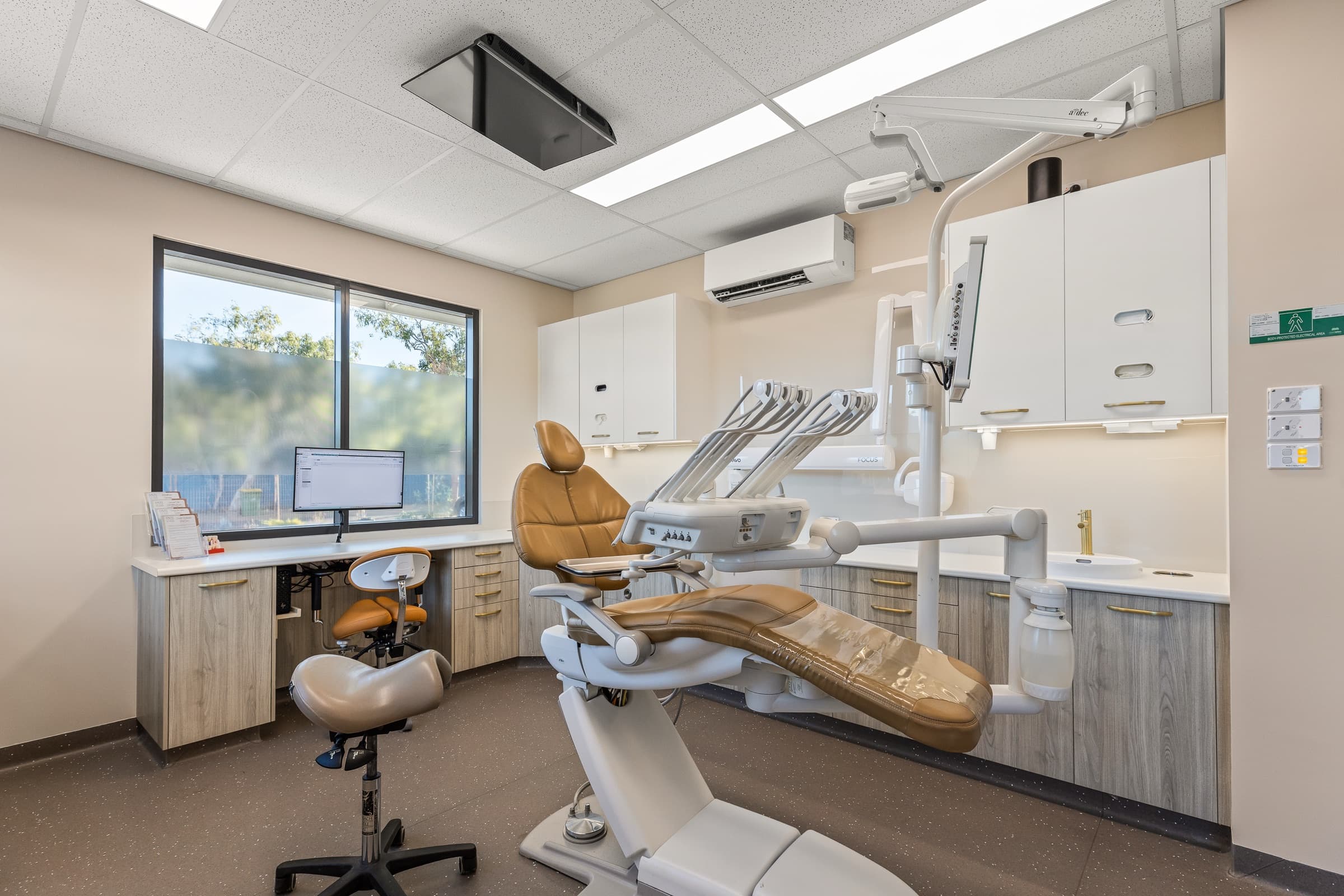
A check-up starts with a full exam: your teeth, gums, soft tissues and muscles, and an oral cancer screen.
Where appropriate, we’ll take dental X-rays or a digital scan, so we can see what isn’t visible to the eye. We can show you what we’re seeing on screen as we go.
Then we’ll explain what we find in plain language. If everything looks healthy, that’s the best news there is. If something needs attention, we’ll talk you through your options, what they involve and what they cost, and the decision stays with you.
After your visit, we can put together a patient pack so you can take your options home and read through them at your own pace.
Your check-up may include:
- An exam of your teeth, gums, soft tissues and muscles
- An oral cancer screen
- Dental X-rays or a digital scan, where appropriate
- A professional clean
- A clear explanation of what we found, and what (if anything) comes next
Your mouth tells a story.
There are known links between gum health and conditions like diabetes, heart disease, stroke, Alzheimer's, and pre-term birth, so looking after your mouth is an important part of looking after the rest of you.
A clean that’s a little more comfortable
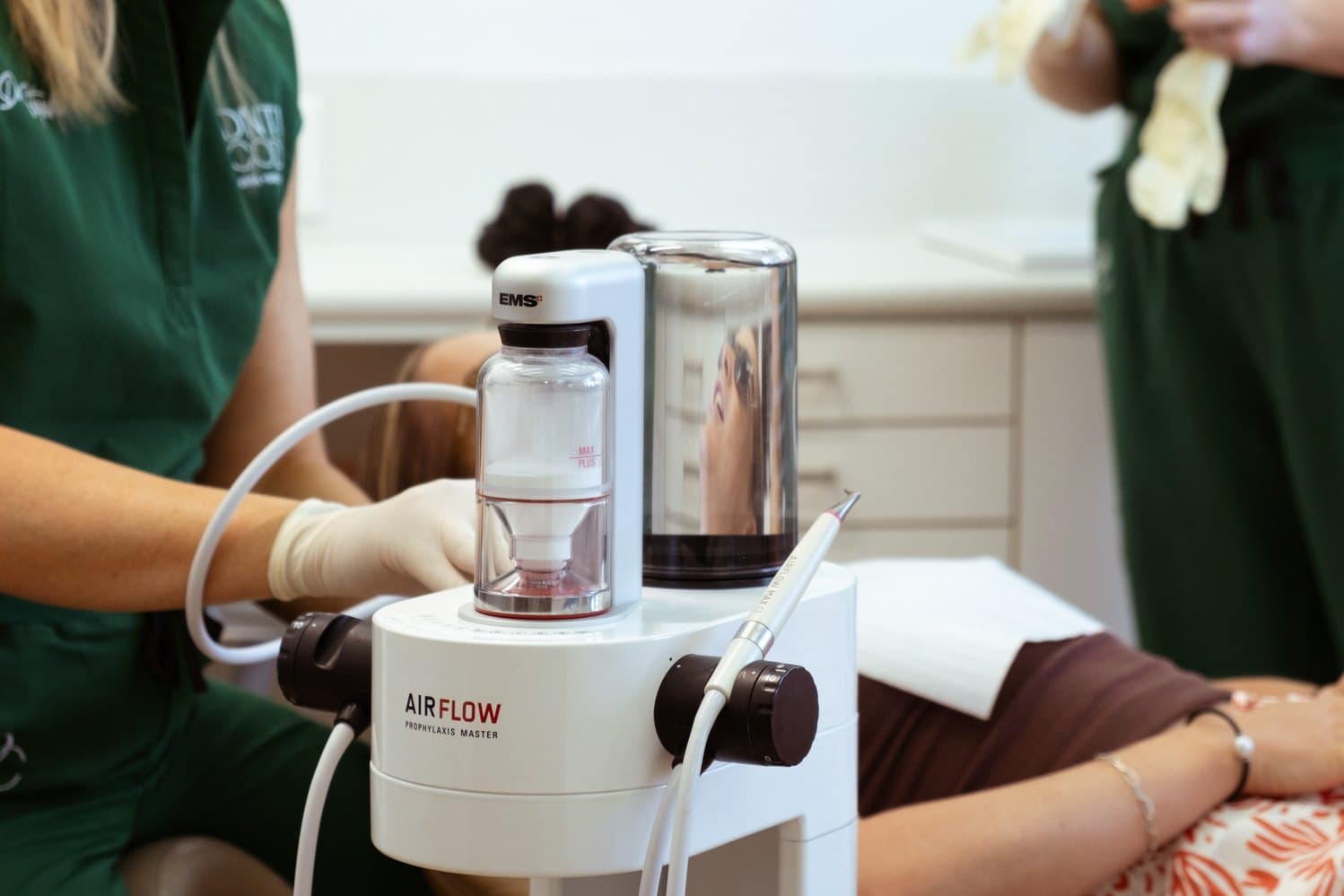
Plaque is made visible first, so we know exactly where to clean. Then warm water, air and fine powder remove it, with less scraping. This is AIRFLOW® and Guided Biofilm Therapy.
For many patients, it can make parts of the professional cleaning process gentler and more comfortable while allowing us to thoroughly remove biofilm from around the teeth and gums.
If your gums need a little more care, we may recommend a deeper clean. We’ll explain why, and what it involves, before we start.
No pain doesn’t always mean no problem.
Tooth decay can develop without causing pain, particularly in its earlier stages. You can have a cavity and have no idea it’s there.
Regular examinations and appropriate dental X-rays give us the opportunity to identify problems before they become painful and, where possible, treat them while they’re smaller and simpler.
That’s one of the biggest reasons preventative dental care matters.

How often should you come in?
If your teeth and gums are healthy, your routine recall will commonly be around six months.
But it isn’t one-size-fits-all. If there’s something we need to keep a closer eye on, or your gums require more regular professional cleaning and maintenance, we may recommend seeing you every three or four months for a period of time.
Your dentist or Oral Health Therapist will recommend an interval based on what your mouth actually needs.
Nervous? Tell us.
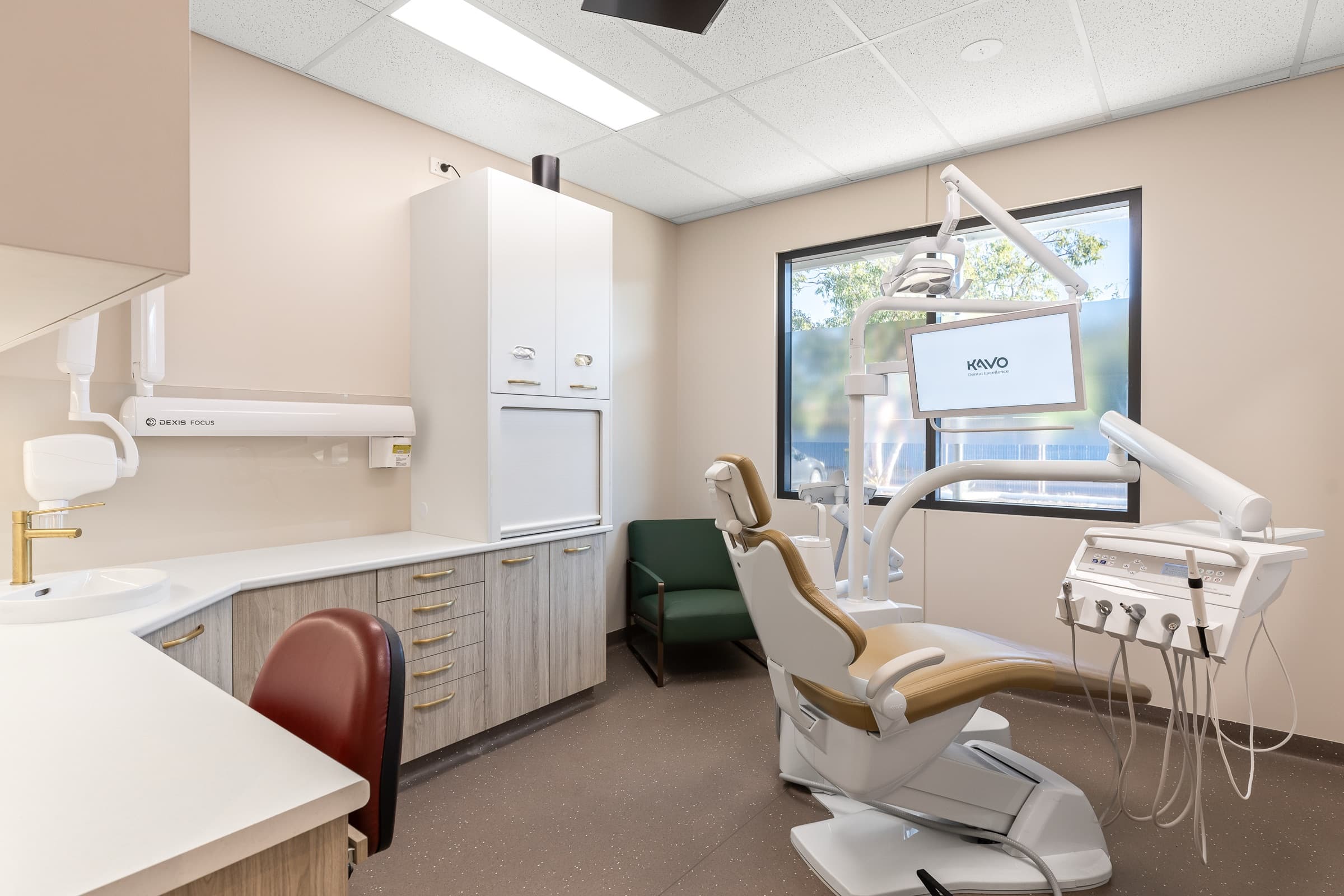
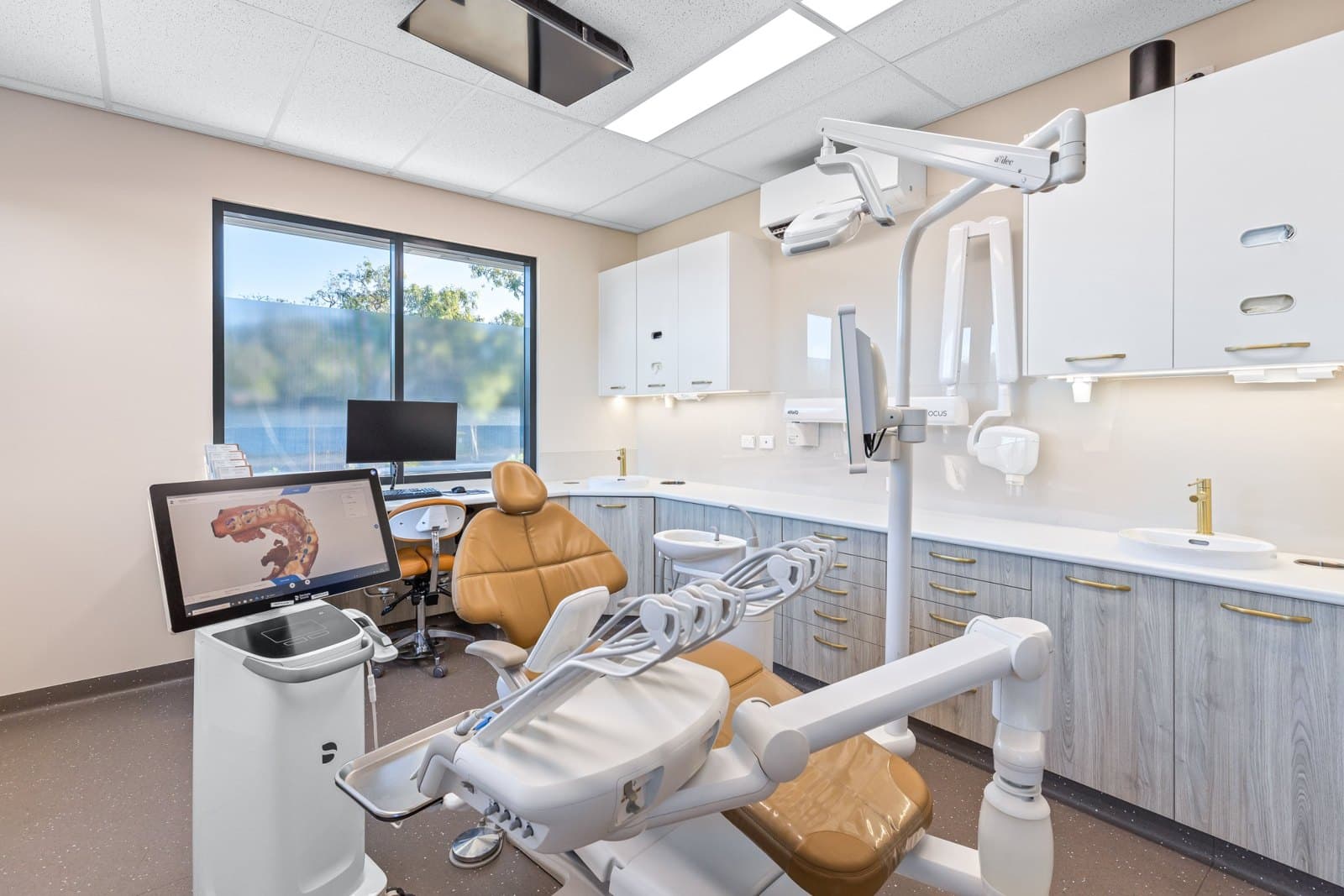
Our clinic was designed to feel less like a traditional dental practice. Natural light, warm timber and soft furnishings help the space feel a little less clinical.
Once you’re in the chair, there are TVs and noise-cancelling headphones to provide a distraction, and we’re always happy to explain what’s happening, answer questions and work at your pace. Blankets are available if you’d like one.
And if you’re particularly anxious, tell us. Your dentist can discuss additional options that may be appropriate to help you feel more relaxed during treatment.
Cost matters.
If you have eligible private health cover, HICAPS allows you to process your claim at the clinic. Your rebate depends on your health fund, level of cover and the treatment provided.
If we find something that needs treatment, we’ll provide an estimate or written treatment plan outlining your options and expected costs before you proceed.
After your clean
Tooth sensitivity following a deep clean is common. Keep on brushing, flossing and using interproximal brushes as your clinician has advised, and avoid extreme temperature changes.
Some bleeding or discomfort on any areas that needed deeper cleaning is common, and this should subside in due time. If you have questions afterwards, call us.
Check-ups & cleans
Been puttingit off?Come anyway.
You don’t need to know what treatment you need. That’s our job.
Do I need to know what dental treatment I need before I book?
No. That’s our job.
Tell us what’s bothering you, what you’ve noticed, or simply that you’re due for a check-up. We’ll take a look, explain what we find and talk through your options.
It’s been years since my last dental visit. Is that a problem?
Not at all.
Six months, six years or sixteen years, you don’t need to arrive with an apology.
We’ll start with where things are now, explain what we find and make a plan from there.
No lectures. No judgement.
What is AirFlow, and can it make my dental clean more comfortable?
AirFlow uses a controlled combination of air, warm water and fine powder to remove plaque biofilm and surface staining from the teeth.
For many patients, it can make parts of the professional cleaning process gentler and more comfortable while allowing us to thoroughly remove biofilm from around the teeth and gums.
Removing this biofilm is an important part of managing gum inflammation, particularly for patients who find effective cleaning more difficult because of reduced mobility, dexterity, orthodontic appliances or other individual circumstances.
Your clinician will still recommend the cleaning techniques appropriate for your teeth and gums.
How often should I have a dental check-up?
If your teeth and gums are healthy, your routine recall will commonly be around six months.
But it isn’t one-size-fits-all.
If there’s something we need to keep a closer eye on, or your gums require more regular professional cleaning and maintenance, we may recommend seeing you every three or four months for a period of time.
Your dentist or Oral Health Therapist will recommend an interval based on what your mouth actually needs.