
Restorative Dentistry in Broome
Fillings, crowns, bridges and dentures, with your options explained before you decide.
Fix what needs fixing.
Cracked, worn, missing or heavily repaired teeth can affect how you eat, speak and feel.
Whether you’re looking to protect a tooth, repair it or replace it, we’ll talk you through what’s suitable, how long it may last, the maintenance involved, the cost and the alternatives, including doing nothing.
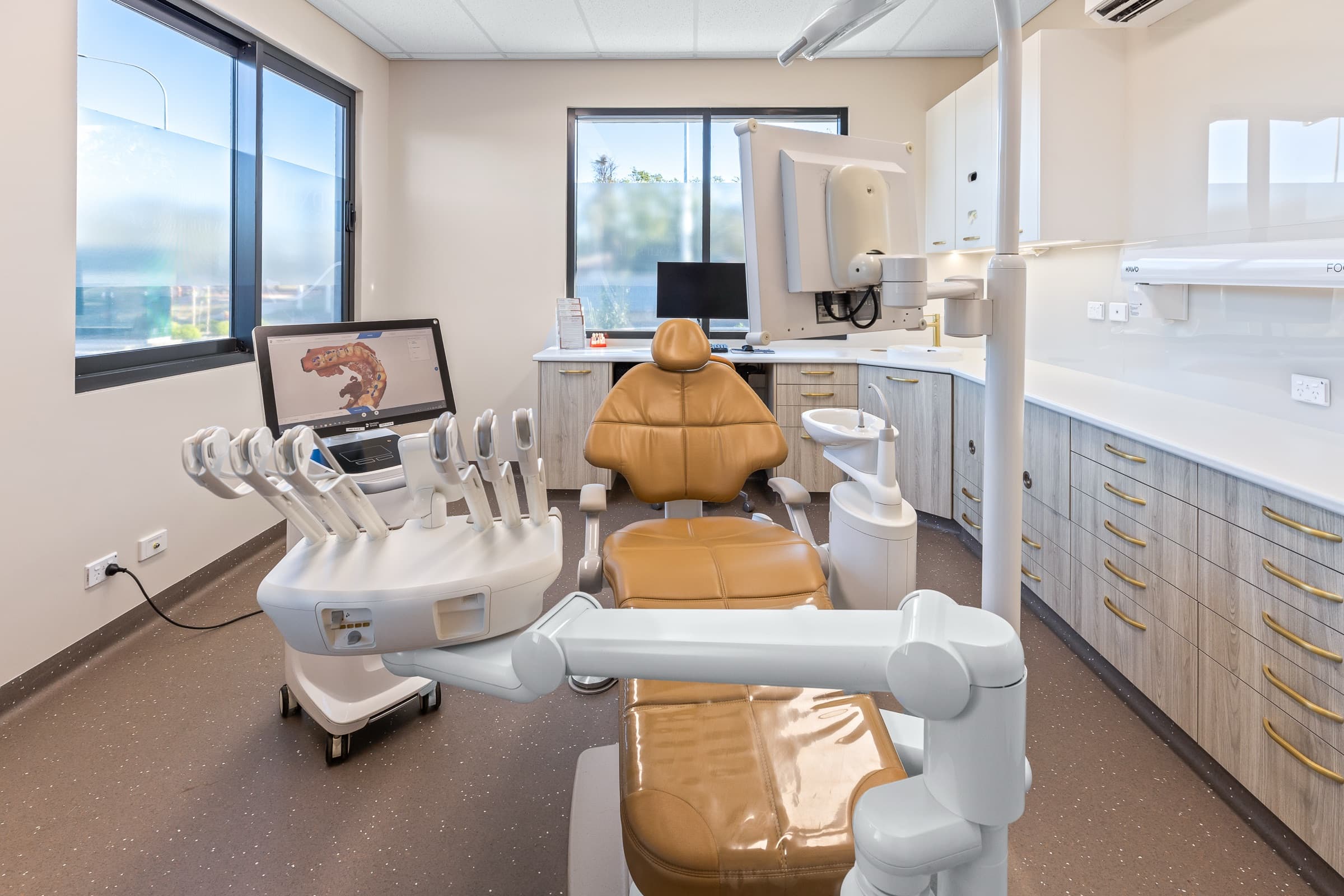
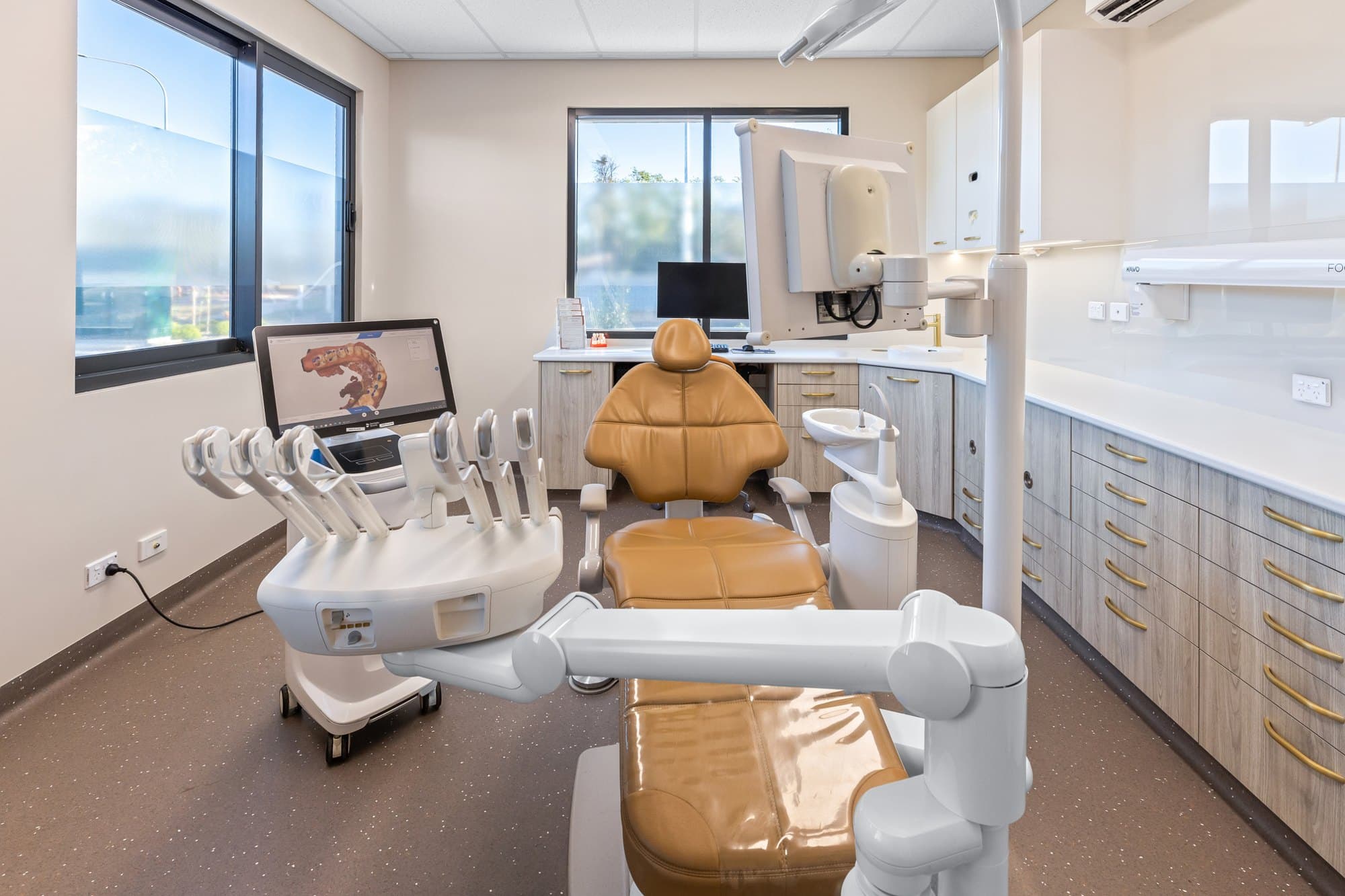
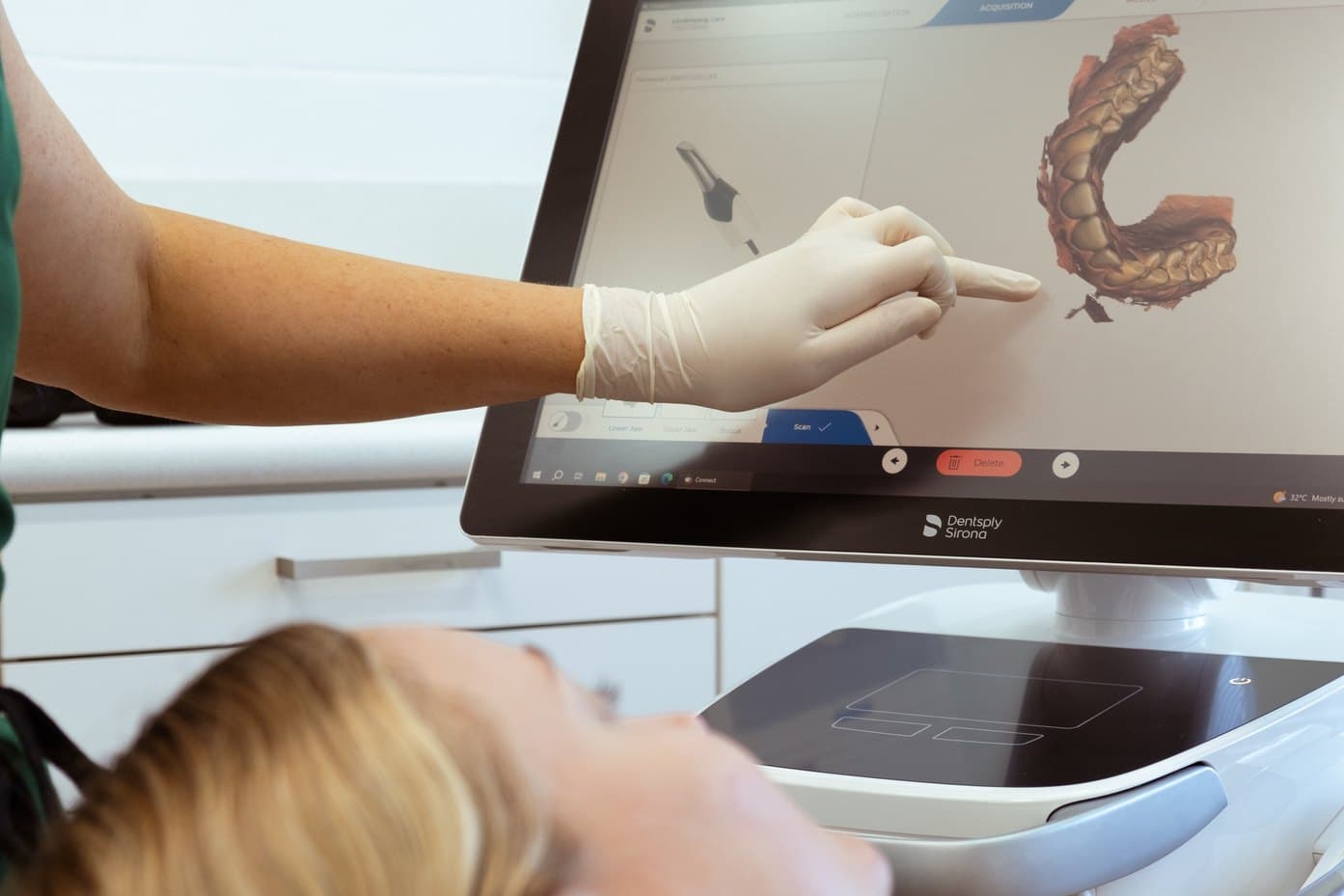
There’s often more than one reasonable option. We’ll explain each one in plain language, show you what we’re seeing on screen, and give you room to think it over.
Understand first. Treat second.
Fillings
Tooth-coloured, and ideally while it’s still small.
Tooth decay can develop without causing pain, particularly in its earlier stages. That’s why we’d rather find a small cavity at a check-up than wait for it to start hurting, when treatment can become more involved.
For a filling, we’ll numb the area, remove the decay and rebuild the tooth with tooth-coloured filling material shaped to fit your bite.
After a tooth-coloured filling, avoid colourful foods (such as curries) for 24 hours, as the filling material can take on the colour. If your bite feels high or different afterwards, give us a call. You don’t need to put up with it; we can check and adjust it.
Crowns
Strengthen and protect a cracked or heavily repaired tooth.
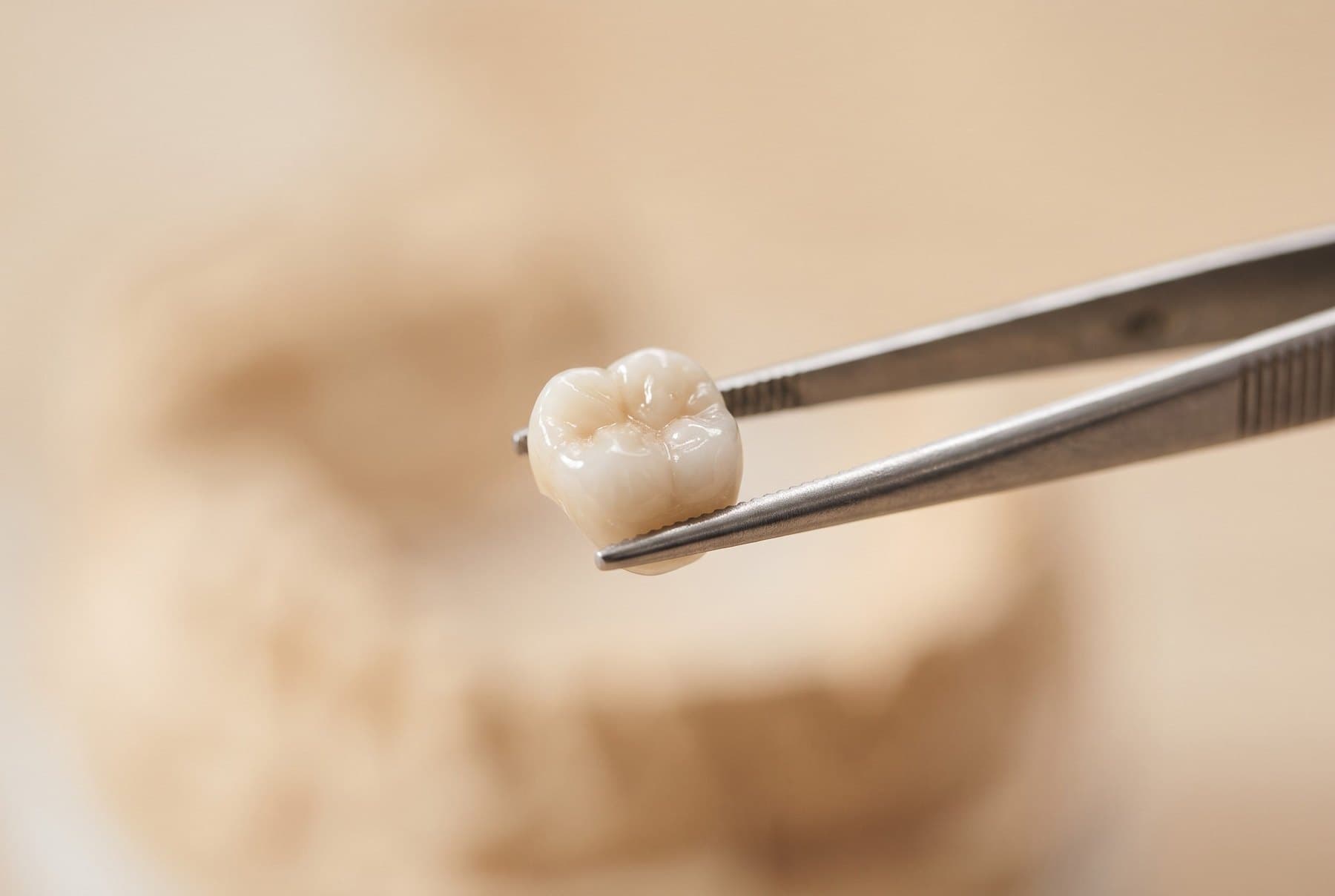
A crown covers the tooth to help hold it together. It’s usually made over two appointments: first we prepare the tooth, take a digital scan and fit a temporary crown, then the permanent crown is made in a dental laboratory and fitted at your second visit.
Our intraoral scanners can often be used instead of traditional impression material, and your scan is sent to the laboratory digitally rather than in the post.
A permanent crown is hard, but it is brittle, the same as enamel. If you bite into a fork or a bone or something that could fracture your normal tooth, it can also fracture the crown. Regular exams and cleans help keep the crown and the tooth underneath it healthy over the long term.
Bridges
Fill a gap using the teeth on either side for support.
A bridge is a fixed replacement tooth held in place by the teeth next to the gap. Those neighbouring teeth usually need to be prepared to support it, so we’ll look at their health and talk about whether a bridge, an implant, a denture or leaving the space makes the most sense for you.
Dentures
Partial and full dentures, made to fit comfortably and look natural.
A partial denture replaces one or several missing teeth and is held in place by the teeth you still have. A full denture replaces all the teeth in the upper or lower jaw. Both are removable, and making one usually takes a few appointments so we can get the fit and bite right.
If a denture breaks, or becomes loose or uncomfortable, contact us. And if you’d prefer something that stays in place, we can talk about whether dental implants may suit you.
We’ll talk you through:
- What’s suitable for your tooth
- How long it may last
- The maintenance involved
- The cost
- The alternatives, including doing nothing
Room to talk things through.
Some conversations deserve a little breathing room. Our patient advocate rooms are private spaces away from the treatment rooms and front desk, where you can ask questions, talk through your options and understand the costs without feeling rushed.
Root canal treatment
Root canal treatment is used to treat the inside of a tooth when the dental pulp, often referred to as the “nerve”, has become irreversibly inflamed, infected or has died.
The affected tissue is removed from inside the tooth, the root canals are carefully cleaned and disinfected, and the space is sealed. The aim is to remove the source of infection or inflammation and, where appropriate, allow you to keep your natural tooth rather than removing it.
Root canal treatment is usually completed over more than one appointment, depending on the tooth and individual circumstances. In the 48 hours afterwards, it is common to experience some discomfort.
Splints and mouthguards
Sometimes the most useful thing we can do is protect the teeth you already have.
A splint can help protect your teeth and jaw from clenching and grinding, especially overnight. Read more about clenching, grinding and sleep apnoea.
Custom-fitted mouthguards are made from a digital scan for sport, for kids and adults.
Cost matters.
We’d rather talk about it clearly than make it awkward. Where appropriate, we’ll provide a written treatment plan so you know your options and expected costs before you decide what comes next.
HICAPS is available on site for eligible on-the-day claims. Payment options may also be available for larger treatment plans, including Fund My Dental and DentiCare. Eligibility, fees and terms apply.
After your treatment
Numbness after an anaesthetic injection can last for a period of 6 to 8 hours, so be careful with anything too hot or cold, and try not to bite your lip, cheek or tongue.
After a crown preparation, it is common to experience some sensitivity to cold. Avoid eating hard or sticky things on that side while the temporary crown is on.
Restorative dentistry
Repair?Replace?Let’s talk.
There’s often more than one reasonable option, including doing nothing.
If I have a tooth removed, do I need to replace it?
Not always.
It depends on which tooth is being removed, your bite, the surrounding teeth and your individual circumstances.
If replacement is recommended or something you would like to consider, options may include a dental implant, bridge or removable denture.
Sometimes it is appropriate to leave the space.
We can talk about that before the tooth is removed, so you understand both the immediate treatment and what it might mean longer term.
Is it better to have a root canal or have the tooth removed?
There isn’t one answer that applies to everyone.
If a tooth can be predictably restored and has a reasonable long-term outlook, root canal treatment may allow you to keep your natural tooth.
If the tooth is badly damaged, fractured, has insufficient remaining structure or has a poor prognosis for another reason, extraction may be the more appropriate option.
There are also practical considerations, including treatment complexity, time, cost and what you would like to do if the tooth is removed.
We’ll explain the options, the likely prognosis and the costs involved so you can make an informed decision.
My filling feels high or my bite feels different. What should I do?
Give us a call.
After a filling or restoration, occasionally a tooth can feel as though it’s contacting before the others, or you may notice that you’re biting more heavily on that tooth.
If something doesn’t feel right, don’t feel like you need to “put up with it.” We can assess your bite and adjust the restoration if required.
Will I know what my dental treatment costs before I start?
Where possible, yes.
For treatment requiring planning, we’ll provide an estimate or written treatment plan outlining the recommended treatment, your options and expected costs before you proceed.
If something changes during treatment, we’ll talk to you about it.