
More Than Teeth: Dr Steph on Oral Cancer Checks in Broome
· DNTL Code
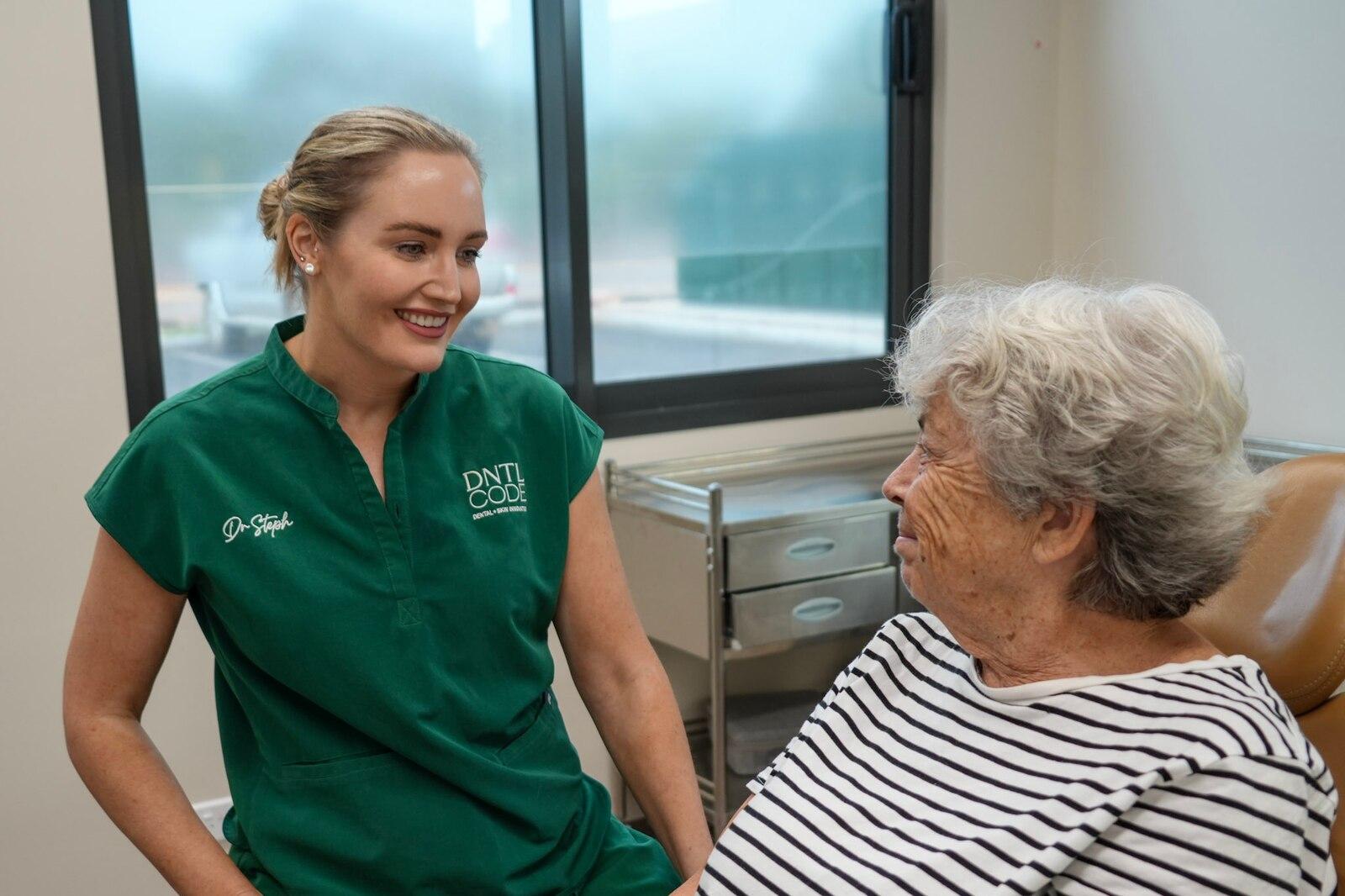
Most people think of a dental check-up as a look for holes in the teeth. That’s only part of it. ABC Kimberley shared the story of a Broome local whose tongue cancer was found after a routine check-up at DNTL Code, and Dr Steph Mulcahy spoke on Kimberley Breakfast about what a thorough exam involves and why early detection matters so much here in the Kimberley.
You can read Natasha Clark’s report on ABC News and listen to the Kimberley Breakfast interview on ABC listen (from about the 12-minute mark).
What happened
In late 2022, Broome resident Monica Frain had a lump on her tongue about the size of a pinhead. It wasn’t painful, just annoying, and she had been told it was nothing to worry about. At her check-up, Dr Steph noticed it and recommended she see an oral medicine specialist to find out exactly what it was.
“While it didn’t look sinister, I wanted confirmation on what it was,” Dr Steph told the ABC.
Monica flew to Perth for the specialist review. The biopsy showed a squamous cell carcinoma, the most common type of tongue cancer. It hadn’t spread, and it was treated with surgery.
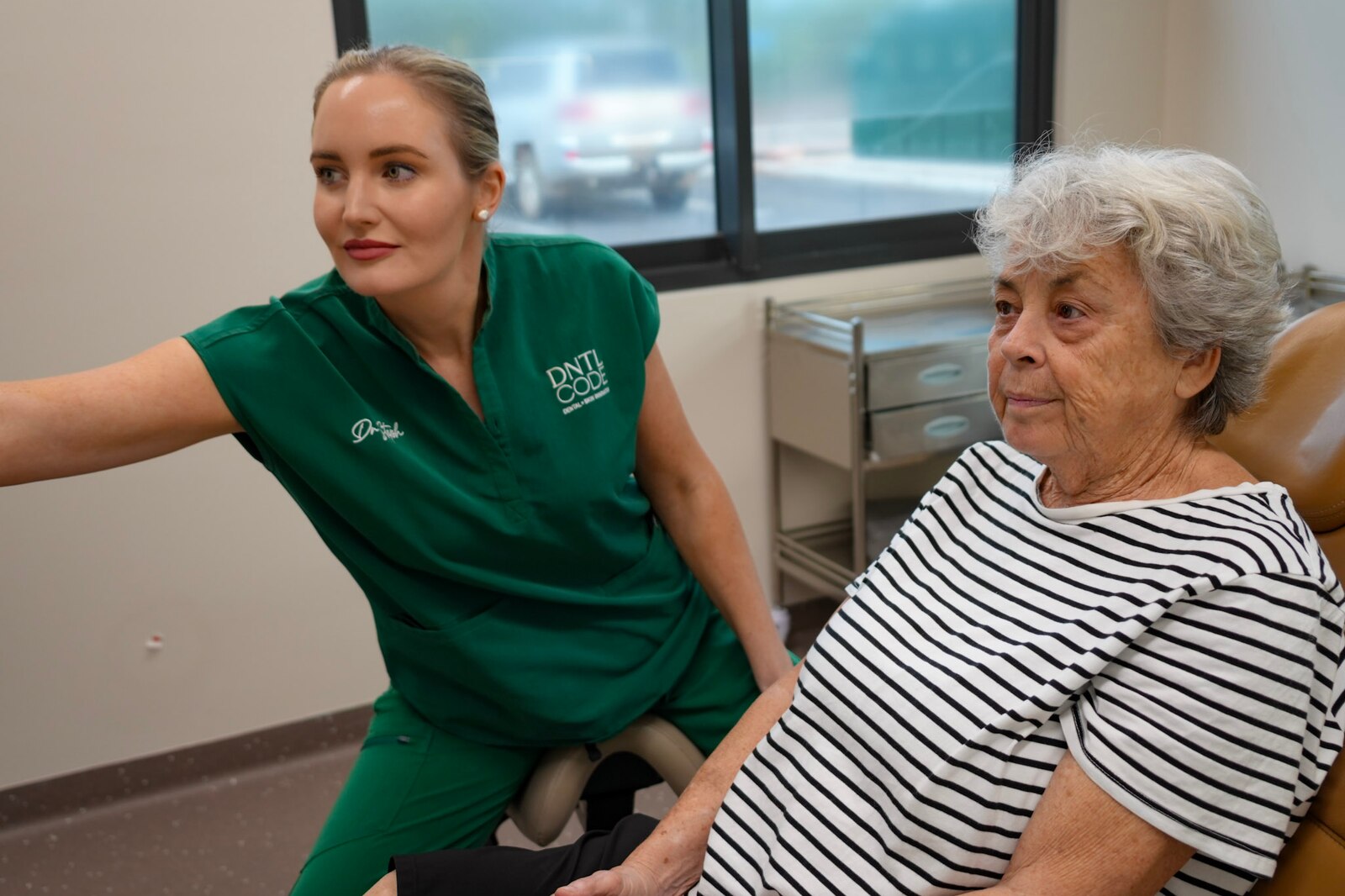
Photo: Natasha Clark, ABC Kimberley
A check-up is more than teeth
“The way that we say check-up, I think it really downplays what a comprehensive exam actually is,” Dr Steph said on Kimberley Breakfast. “Looking at the teeth is only a small part of what we do.”
A comprehensive exam at DNTL Code, part of every check-up and clean, works from the outside in:
- Head and neck. Dr Steph feels the muscles and the lymph nodes in the neck, under the jaw and under the chin, checking for anything unusual.
- Skin. She looks at the skin of the face and neck for anything that should be referred for a skin cancer check.
- Soft tissues of the mouth. Before looking at the teeth, she checks the insides of the cheeks, the lips, the top, sides and underside of the tongue, the floor and roof of the mouth, and the throat.
- Gums and teeth. Then the gums, the teeth and any X-rays you need.
Monica’s lump looked like oral lichen planus, a common soft-tissue condition that is usually managed rather than removed. “It didn’t particularly look sinister at all,” Dr Steph said, “but I just recommended that she better get it checked, just to confirm that there was nothing more going on.”
Why early detection matters
Mouth cancer can be aggressive. It can spread quickly, including to the lungs, and the later it’s found, the more extensive treatment tends to be. Monica’s cancer was the size of a pinhead and her surgery still removed about a third of her tongue.
It’s also easy to miss. “Your tongue has lots of lumps and bumps,” Dr Steph said, “and so your normal anatomy can look abnormal at times. It is quite easy to dismiss it and not think anything of it.” Early mouth cancer is often painless, which is one reason regular exams matter even when nothing hurts.
Oral and maxillofacial pathology specialist Dr Omar Kujan told the ABC that oral cancer can develop without pain or obvious symptoms, and that early diagnosis significantly improves the chances of successful treatment.
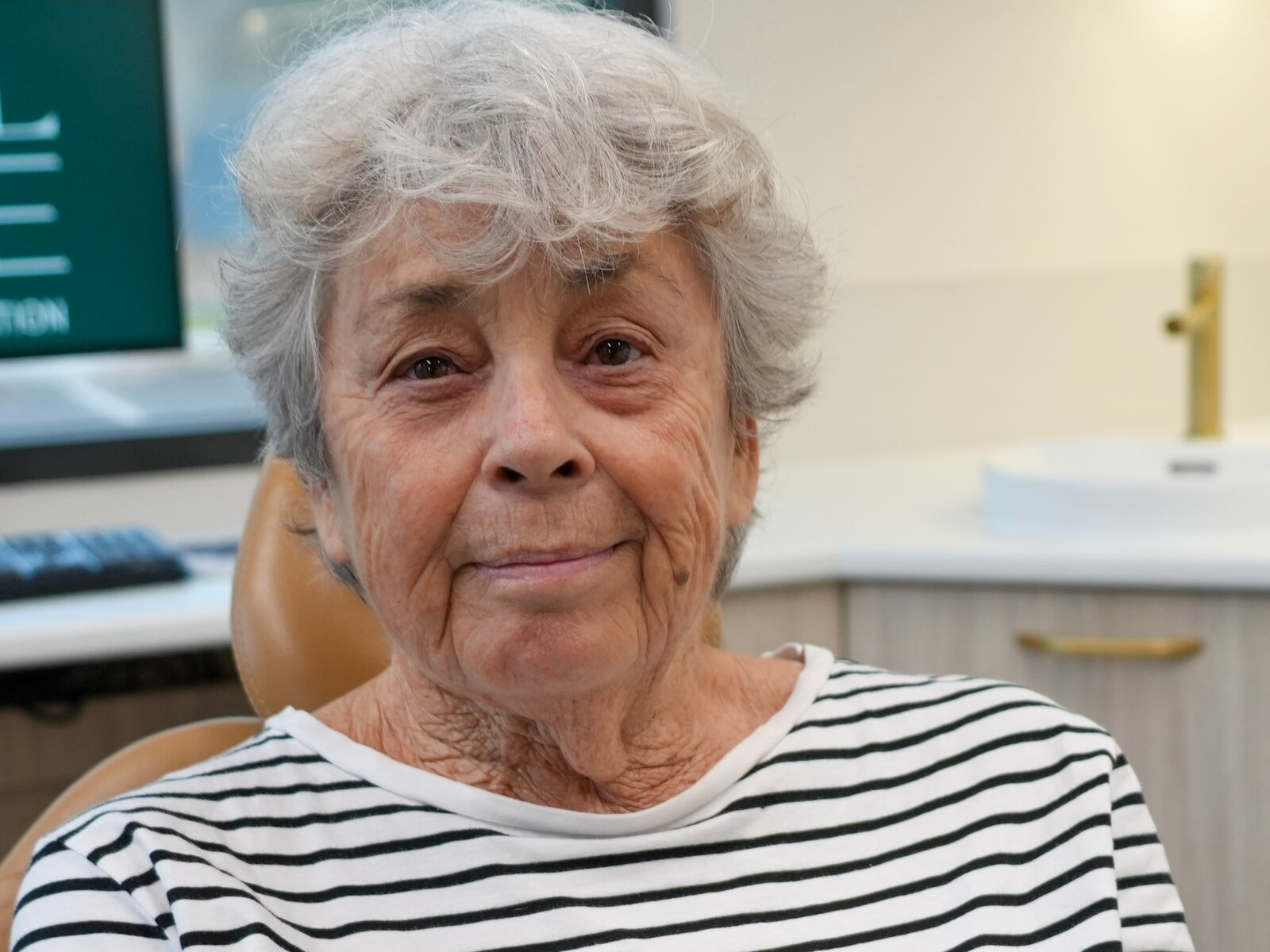
Photo: Natasha Clark, ABC Kimberley
Signs to get checked
See your dentist or GP if you notice any of these, especially if it hasn’t gone away within two to three weeks:
- a sore or ulcer in the mouth or on the lip that doesn’t heal;
- a red or white patch inside the mouth;
- a lump, thickening or rough area on the tongue, gums, cheek or lip;
- pain, numbness or bleeding in the mouth with no clear cause;
- difficulty chewing, swallowing or moving the tongue;
- a lump in the neck, or a hoarse voice that doesn’t go away.
Most of these turn out to be something harmless. The point of checking is to know for sure.
Smoking, drinking alcohol and sun exposure on the lips all increase the risk of mouth and lip cancer, but it can happen to people with none of these risk factors.
Specialist care from the Kimberley
Most specialists who see Kimberley patients fly in from Perth, more than 2,000 km away, or patients travel to them. That makes the first step, noticing something and getting it referred, all the more important. If something in your mouth needs a closer look, we’ll explain why, arrange the referral and help you work out the next steps.
If it’s been a while since your last comprehensive exam, or you’ve noticed something that hasn’t gone away, book a check-up with our team in Broome. You can also see everything else our dental team looks after.
This article is general information, not a diagnosis. If you’re worried about a change in your mouth, see a dentist or doctor.